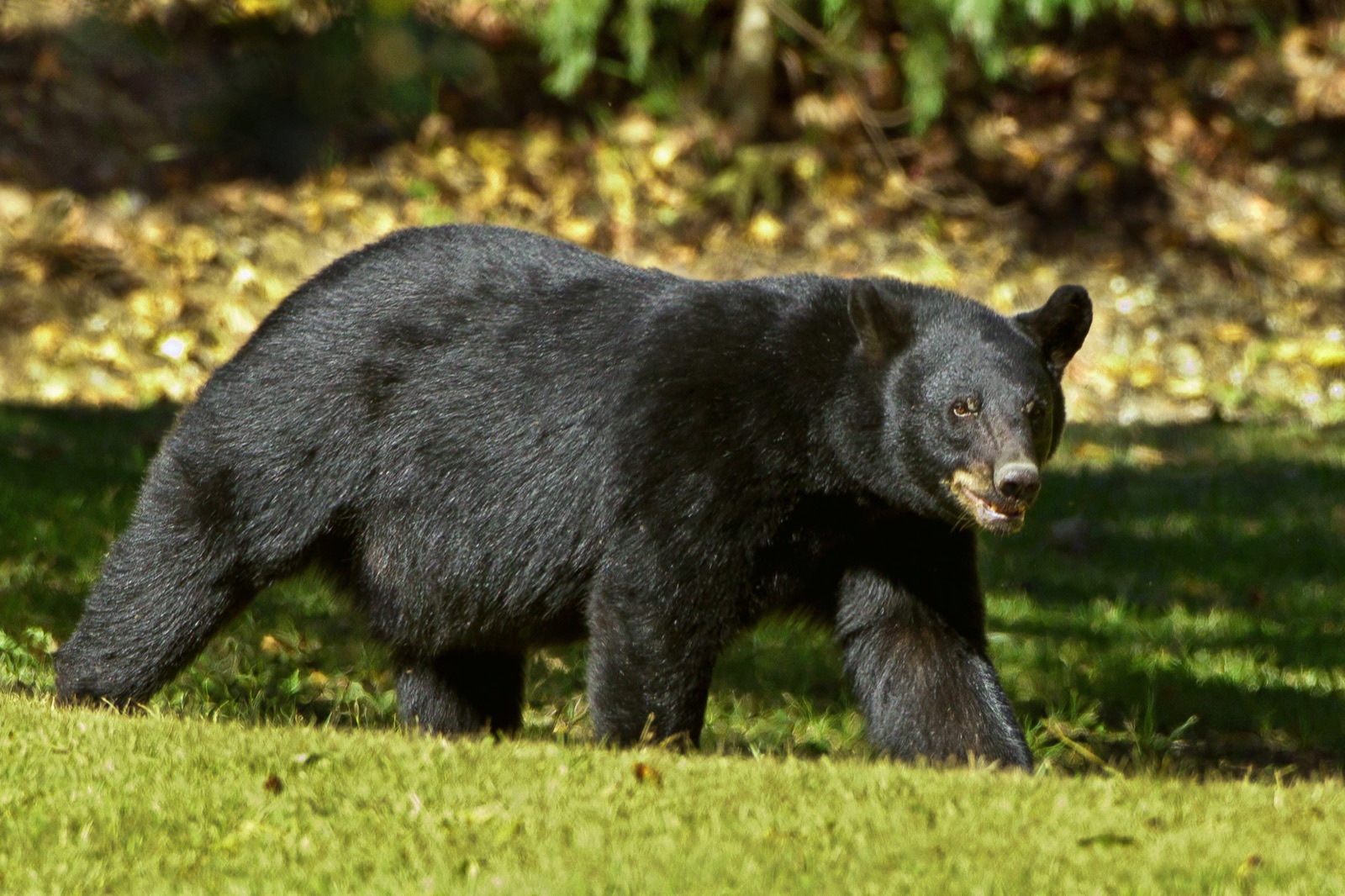
Direct answer
What black bear calls mean in the field
Hunters sometimes attract bears with fawn, rabbit, or turkey distress sounds rather than bear vocalizations. A bear may take a long time to investigate or may appear abruptly from cover, so a safe caller position, a partner, and complete visual coverage matter more than an elaborate recording.
| Call or cue | What it communicates | Best context | Main risk |
|---|---|---|---|
| Social grunt | Calm contact between a sow and cubs or other familiar bears. | Treat mainly as behavioral context; it is not as established a hunting attractor as prey distress. | A grunt is not proof that a bear is relaxed; judge the entire posture and situation. |
| Tongue click | Friendly or reassuring communication, often between a mother and young. | Best presented as a sound to recognize rather than a primary calling recommendation. | Imitating family contact near cubs can create an unsafe maternal encounter. |
| Cub squeal or distress | A cub is separated, restrained, frightened, or in pain. | Recognize as a powerful maternal signal; it should not be a casual or prolonged calling routine. | This call carries significant safety and ethics concerns, especially where a sow and cubs may already be present. |
| Huff or blow | Nervousness, uncertainty, or a demand for more space. | Treat as a warning to recognize, not as an attraction call. | Calling a huff 'curiosity' understates the warning and can encourage unsafe behavior. |
| Jaw clack or tooth pop | Stress, fear, agitation, or a close-range warning. | Use only as a diagnostic cue that the encounter needs more space. | Jaw clacking is not a sound to answer or test at close range. |
| Fawn, rabbit, or turkey distress | A vulnerable animal may offer a feeding opportunity. | If legal, use during an open bear season near fresh bear travel or feeding cover with a safe field of view. | The call can also attract other predators, hunters, or domestic animals. Never use it near people, trails, or homes. |
Vocabulary & use
Black Bear calls, one by one
Social grunt
Natural vocalization- Sound
- A low, pulsing grunt or grumble
- Meaning
- Calm contact between a sow and cubs or other familiar bears.
- When it fits
- Treat mainly as behavioral context; it is not as established a hunting attractor as prey distress.
- How to make it
- If legal and used at all, keep the note low, brief, and separated by silence.
- Likely response
- A bear may look, continue normal behavior, or investigate cautiously.
- Do not miss
- A grunt is not proof that a bear is relaxed; judge the entire posture and situation.
Tongue click
Natural vocalization- Sound
- A light clicking or tongue-clucking sound
- Meaning
- Friendly or reassuring communication, often between a mother and young.
- When it fits
- Best presented as a sound to recognize rather than a primary calling recommendation.
- How to make it
- Do not use it to approach a family group; listen and maintain distance.
- Likely response
- Nearby cubs or a sow may orient to the source without approaching.
- Do not miss
- Imitating family contact near cubs can create an unsafe maternal encounter.
Cub squeal or distress
Natural vocalization- Sound
- A high, urgent squeal or bawling cry
- Meaning
- A cub is separated, restrained, frightened, or in pain.
- When it fits
- Recognize as a powerful maternal signal; it should not be a casual or prolonged calling routine.
- How to make it
- If legal use is contemplated, limit it to a very brief series from a defensible position with a partner.
- Likely response
- A sow may approach rapidly or defensively, and another bear may investigate the vulnerable-animal sound.
- Do not miss
- This call carries significant safety and ethics concerns, especially where a sow and cubs may already be present.
Huff or blow
Natural vocalization- Sound
- A forceful exhale, sometimes repeated
- Meaning
- Nervousness, uncertainty, or a demand for more space.
- When it fits
- Treat as a warning to recognize, not as an attraction call.
- How to make it
- Do not imitate it. Stop advancing, avoid blocking the bear, and increase distance safely.
- Likely response
- The bear may retreat, stand to assess, swat the ground, or escalate if it still feels pressured.
- Do not miss
- Calling a huff 'curiosity' understates the warning and can encourage unsafe behavior.
Jaw clack or tooth pop
Nonvocal cue- Sound
- Sharp clacking or popping made with the jaws and teeth
- Meaning
- Stress, fear, agitation, or a close-range warning.
- When it fits
- Use only as a diagnostic cue that the encounter needs more space.
- How to make it
- Do not reproduce it; remain calm and follow current bear-safety guidance.
- Likely response
- The bear may hold, retreat, or escalate if a person continues closing distance.
- Do not miss
- Jaw clacking is not a sound to answer or test at close range.
Fawn, rabbit, or turkey distress
Prey or other-species sound- Sound
- A brief, urgent cry from plausible prey
- Meaning
- A vulnerable animal may offer a feeding opportunity.
- When it fits
- If legal, use during an open bear season near fresh bear travel or feeding cover with a safe field of view.
- How to make it
- Choose one plausible prey sound, make a short uneven series, then wait several minutes before one restrained repeat.
- Likely response
- A bear may investigate slowly, circle downwind, appear silently, or ignore the sound.
- Do not miss
- The call can also attract other predators, hunters, or domestic animals. Never use it near people, trails, or homes.
Seasonal context
When the message is believable
Spring and green-up
Fresh green forage and travel routes matter more than bear-to-bear calling. A short prey sound may prompt investigation, but visibility and wind must support the setup.
Summer and early fall
Set near current food and cover rather than calling across empty habitat. Use one plausible prey species and long quiet periods.
Fall feeding period
Bears are strongly food-focused. Calling remains secondary to fresh sign, mast, wind, and access; avoid crowding concentrated feeding animals.
Field sequences
Two restrained ways to build the conversation
These are decision frameworks, not guaranteed formulas. Shorten, soften, or stop when the animal gives new information.
Sequence 01
Edge-cover prey check
For a legal-season timber edge with fresh bear sign, a broad view, and a partner covering the downwind side.
- Use one plausible prey sound, such as a fawn or rabbit, for a brief irregular series.
- Set the call down and watch continuously through several minutes of silence.
- Make one softer follow-up from the same prey species, then return to a longer wait.
Stop or change when: Stop at any bear sighting, branch movement, huff, or downwind approach; identify the animal and manage the encounter instead of continuing to call.
Sequence 02
One-sound follow-up
For a bear briefly seen entering cover near an active feeding area, when calling is legal and the shot direction is safe.
- Wait quietly first to see whether the bear reappears on its own.
- Give one short, moderate prey-distress series without switching species.
- Remain silent and watch both the last-known route and the downwind arc.
Stop or change when: Stop immediately when the bear changes direction, stops to listen, or appears; additional sound can pull it too close or reveal the setup.
Before the first note
Field setup
- Call with a partner so one person can watch the caller's rear and downwind side while the other covers the primary lane.
- Choose a position with broad visibility, a safe backstop, and no thick escape bottleneck immediately behind the callers.
- Keep the apparent sound source away from trails, camps, roads, homes, livestock, and any place another person could approach it.
- Plan what to do if a bear appears at close range before the first call, and follow current agency bear-encounter guidance.
Read the animal
What the response is telling you
- A dark shape or branch movement advances through cover without any vocal answer.
- The bear pauses, raises its nose, or makes a broad downwind arc to test the source.
- A slow investigation becomes a direct line once the bear identifies the sound's location.
- Huffing, jaw clacking, swatting, laid-back ears, or a tense posture signal concern and a need to de-escalate.
Common errors
What makes the setup less believable
Calling alone without full coverage
A bear can approach from the rear or downwind while the caller watches the expected lane. A partner and a preplanned response reduce that blind spot.
Treating warning sounds as interest
Huffs and jaw clacks commonly indicate anxiety or a request for space. Answering or advancing can escalate the encounter.
Using distress sound where people may appear
A caller creates a precise point of attention for wildlife and other hunters. Roads, trails, homes, camps, and occupied recreation areas are unsuitable setups.
Rules & ethics
Verify before the hunt
Black bear tags, season structures, legal sex or age, bait and hound rules, mandatory reporting, and electronic-call restrictions vary widely. Confirm all current state, unit, and land rules, and never use calling to pursue a protected sow-with-cubs situation.
Hunting-call laws vary by state, species, season, land type, and device. Verify the current wildlife-agency regulations for the exact hunt before using any recorded, amplified, or electronic call.
Electronic-call rules checklist →Questions hunters ask
Black Bear calling FAQ
Do black bears respond to game calls?
Some bears investigate plausible prey distress, but response is inconsistent and may be slow or silent. Fresh sign, food, wind, and a safe source location remain more important than the call itself.
Should I imitate a bear huff or jaw pop?
No. Those sounds commonly accompany stress or warning behavior. Give the bear space and follow agency bear-safety guidance instead of trying to continue a conversation.
Is cub distress a good bear call?
It can trigger a strong response, particularly from a sow, which is exactly why it carries substantial safety and ethics concerns. It should not be promoted as a routine beginner sequence.
Research trail
Sources and further reading
Biology and call context were synthesized into original copy from the following references.