 06 calls
Big Game
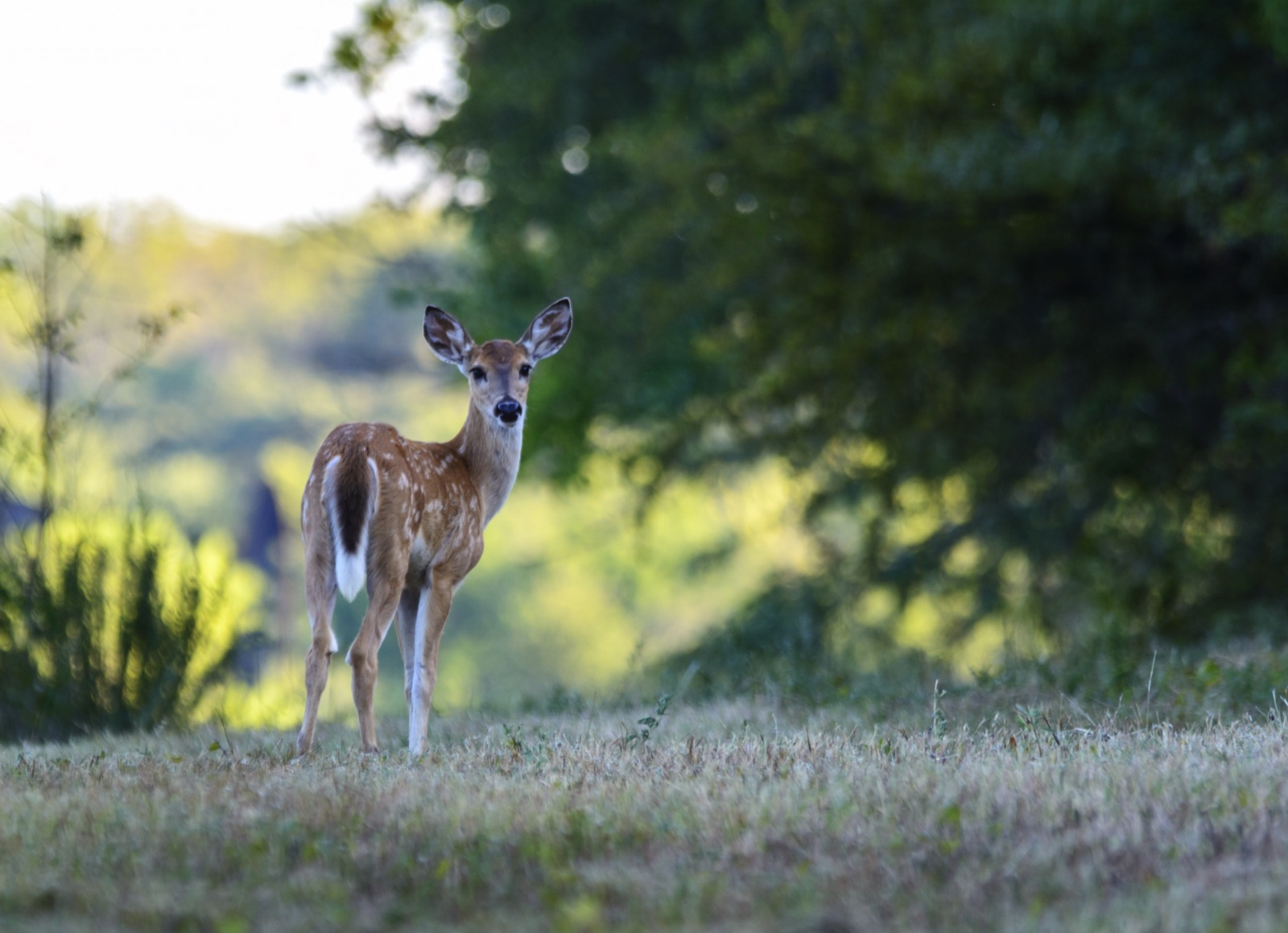
Whitetail calls
Learn the meaning of whitetail deer grunts, bleats, snort-wheezes, alarm snorts, and rattling, with seasonal setups and restrained calling sequences.
Open the whitetail field guide →Complete species index
Nineteen field guides built around the sound, its meaning, the right season, a realistic sequence, the animal’s response, and a legal check.
06 callsBig Game
Learn the meaning of whitetail deer grunts, bleats, snort-wheezes, alarm snorts, and rattling, with seasonal setups and restrained calling sequences.
Open the whitetail field guide →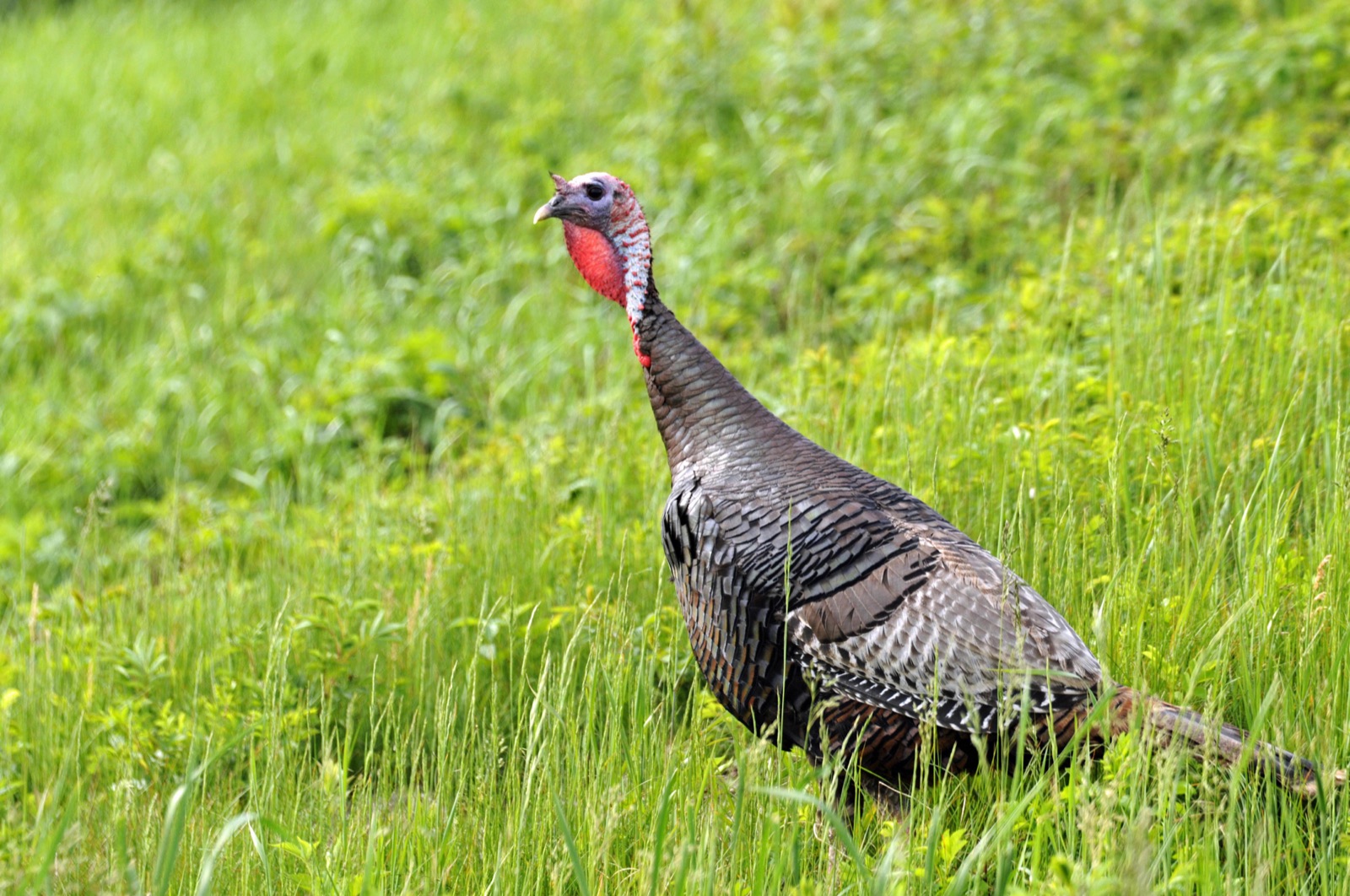 06 calls
Upland Birds
Learn the plain yelp, cluck, purr, cutting, fly-down cackle, and gobble, plus when to call less and listen more.
Open the turkey field guide →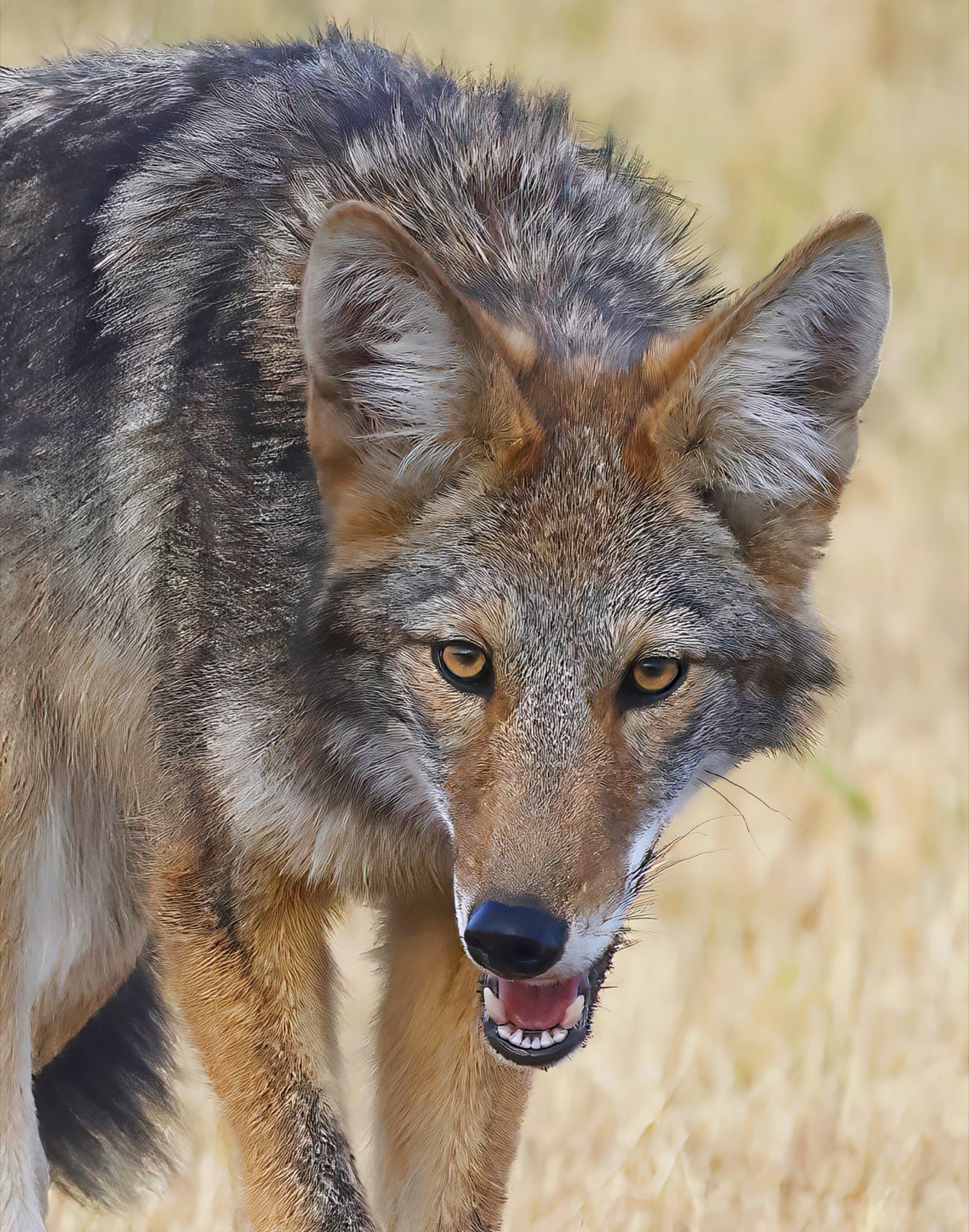 06 calls
Predators
Learn coyote howls, yips, pup distress and prey-distress calls, with seasonal sequences, wind setup, response signs, and calling mistakes.
Open the coyote field guide →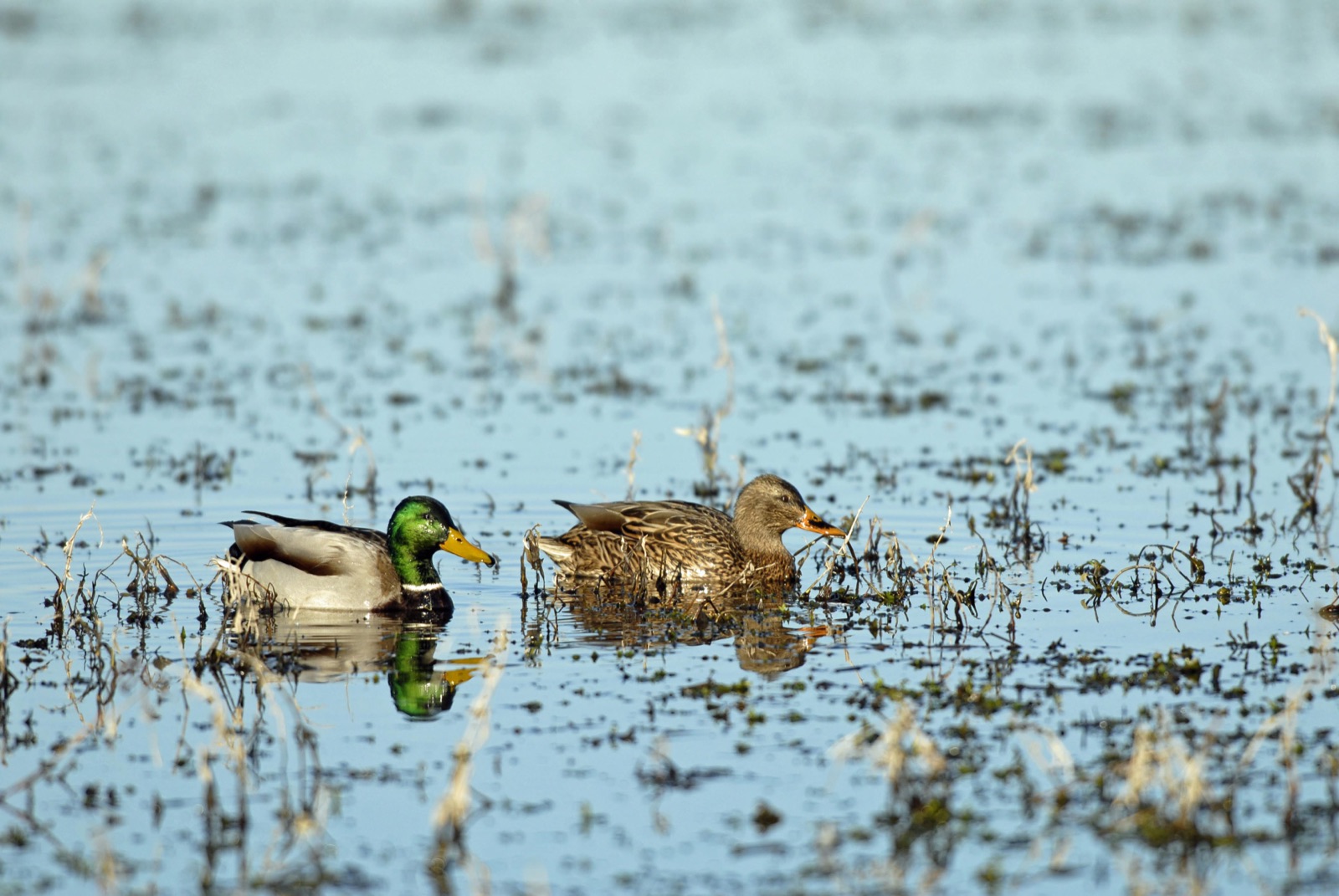 06 calls
Waterfowl
Understand the hen quack, descending series, greeting and comeback routines, feed chatter, and drake rasp without overcalling birds.
Open the mallard field guide →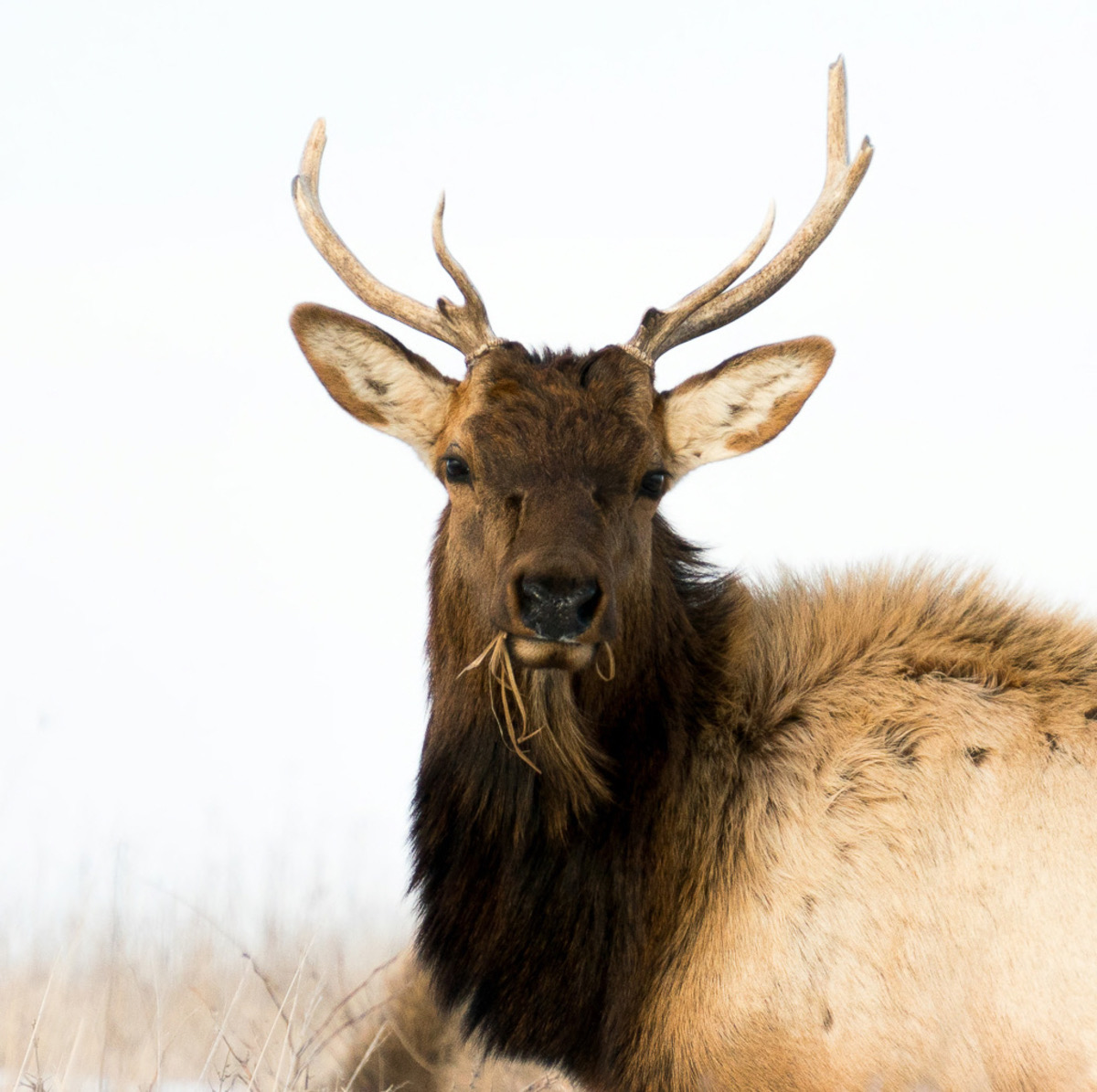 06 calls
Big Game
Learn what elk bugles, mews, calf calls, chuckles, glunks, and alarm barks mean, plus seasonal setups and two restrained calling sequences.
Open the elk field guide →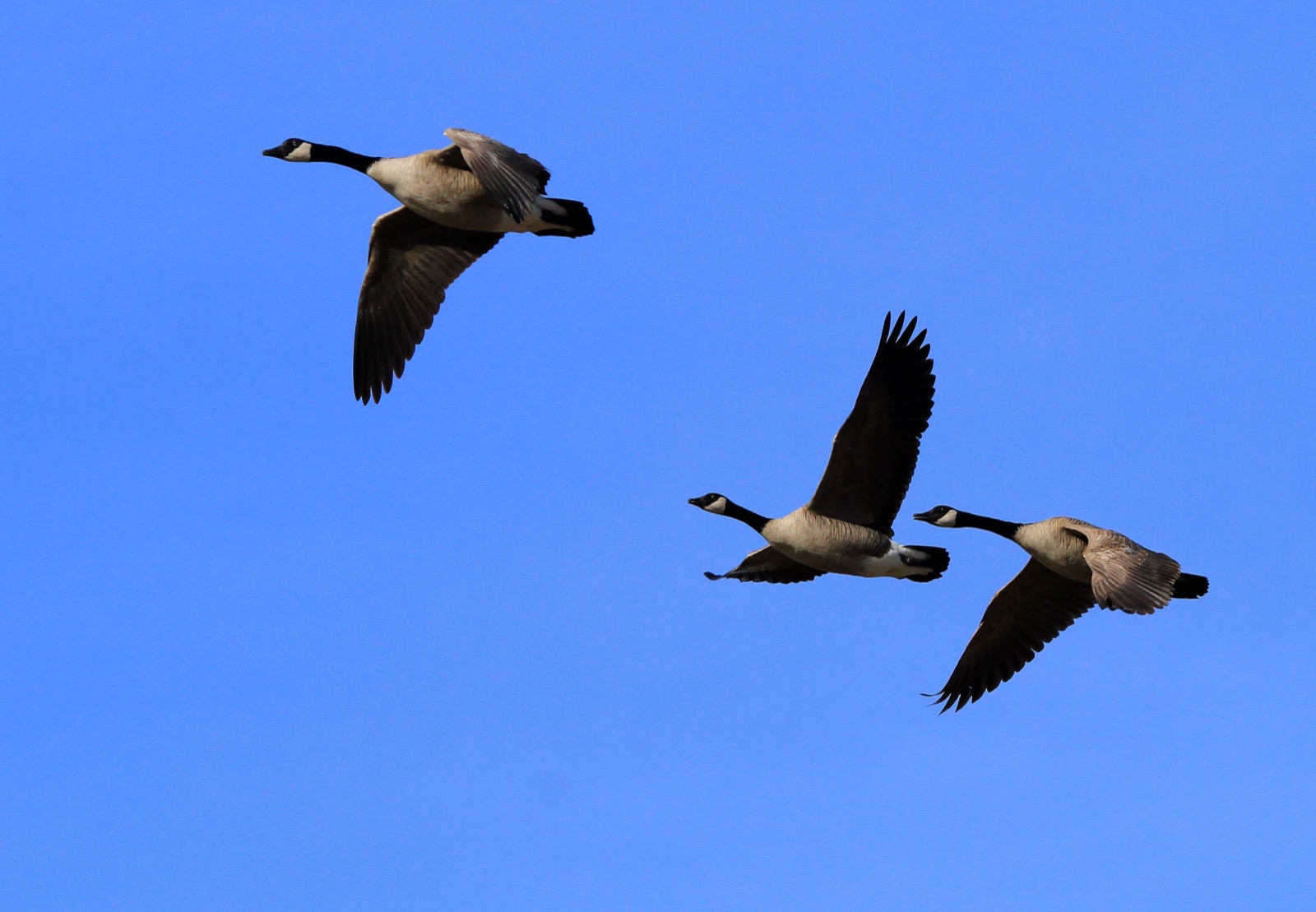 06 calls
Waterfowl
Learn the Canada goose cluck, honk, moan, murmur, excited clucks, and restrained response-based calling routines.
Open the canada goose field guide →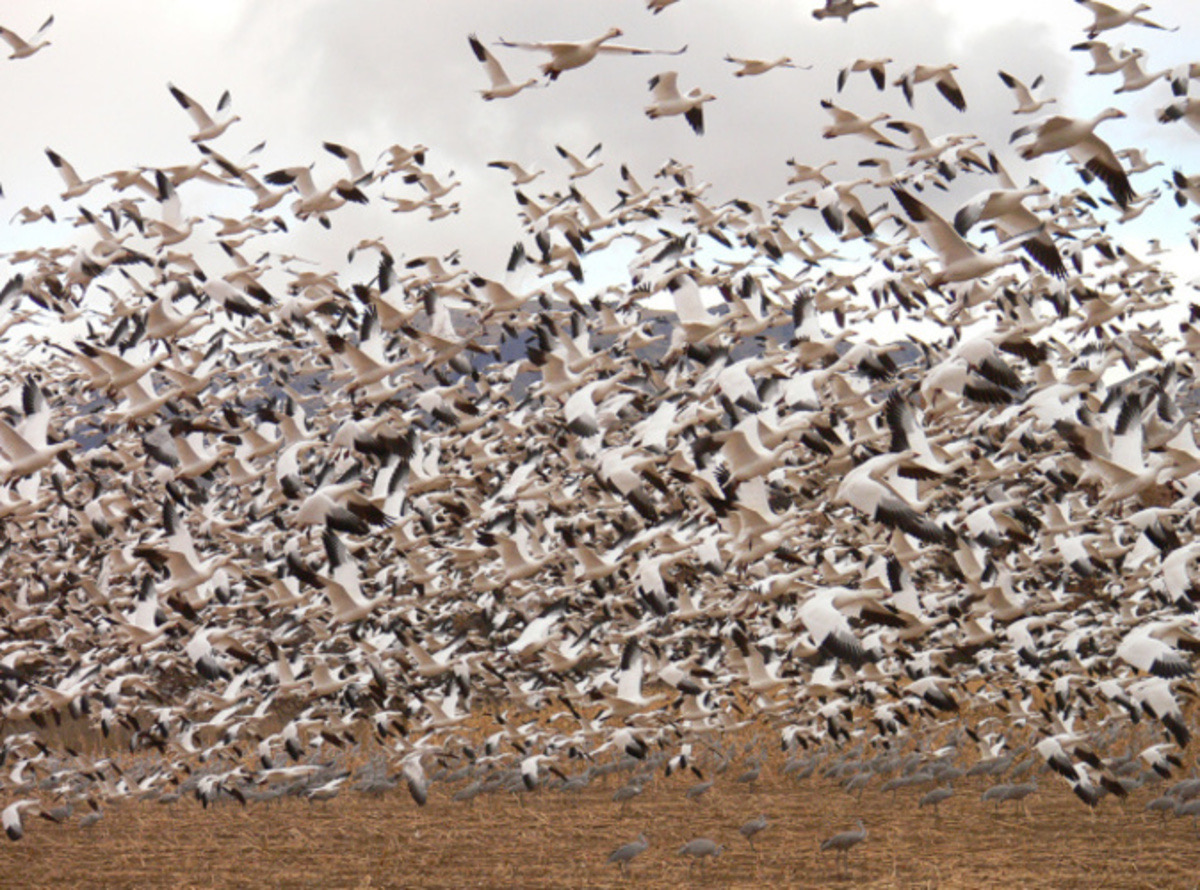 06 calls
Waterfowl
Recognize adult honks, juvenile whistles, family feeding notes, brood calls, alarms, and flight chorus while keeping e-call rules clear.
Open the snow goose field guide →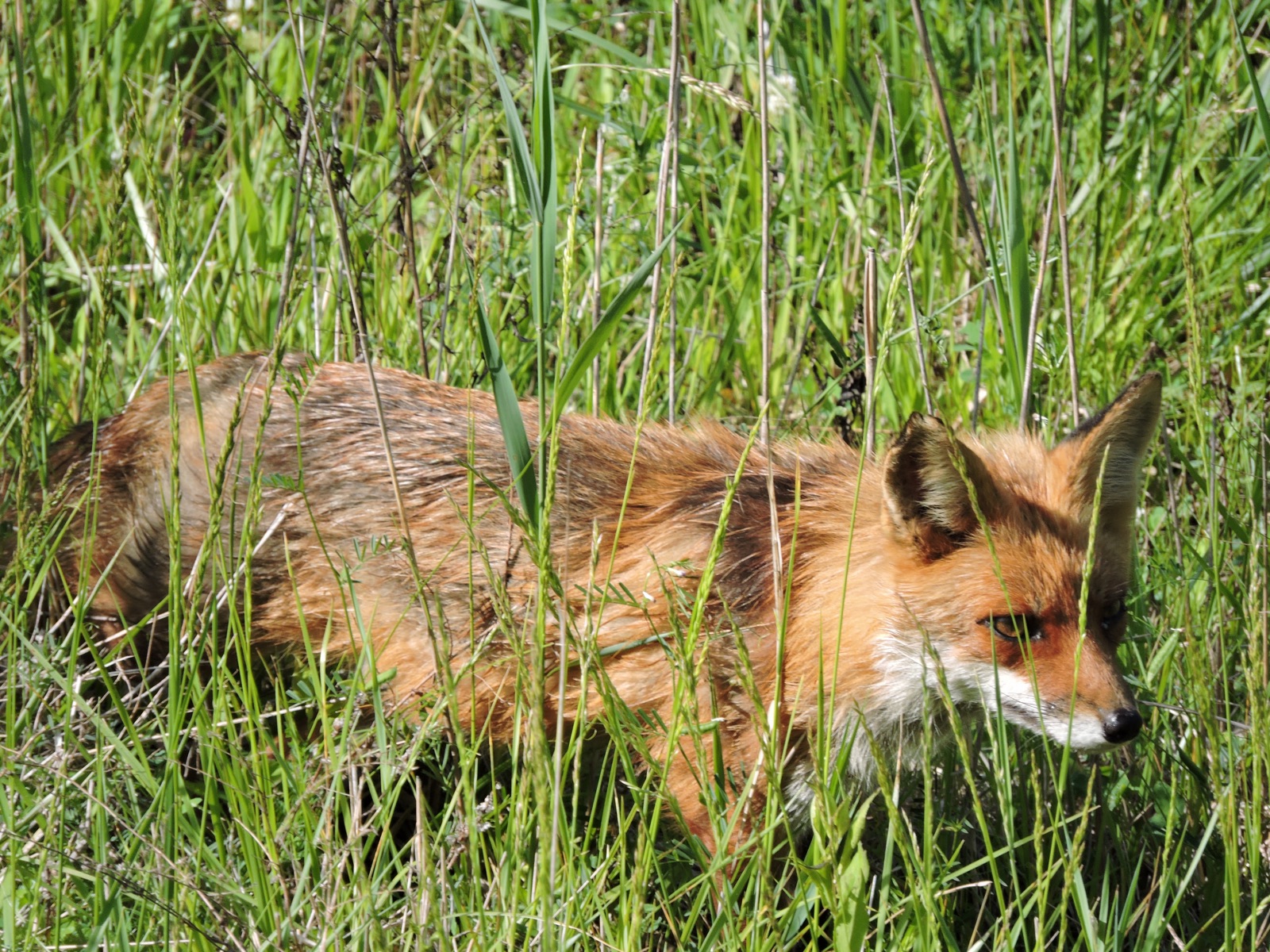 06 calls
Predators
Understand red fox screams, barks, whines, conflict sounds and prey distress, with winter timing, cautious setups, and legal reminders.
Open the red fox field guide →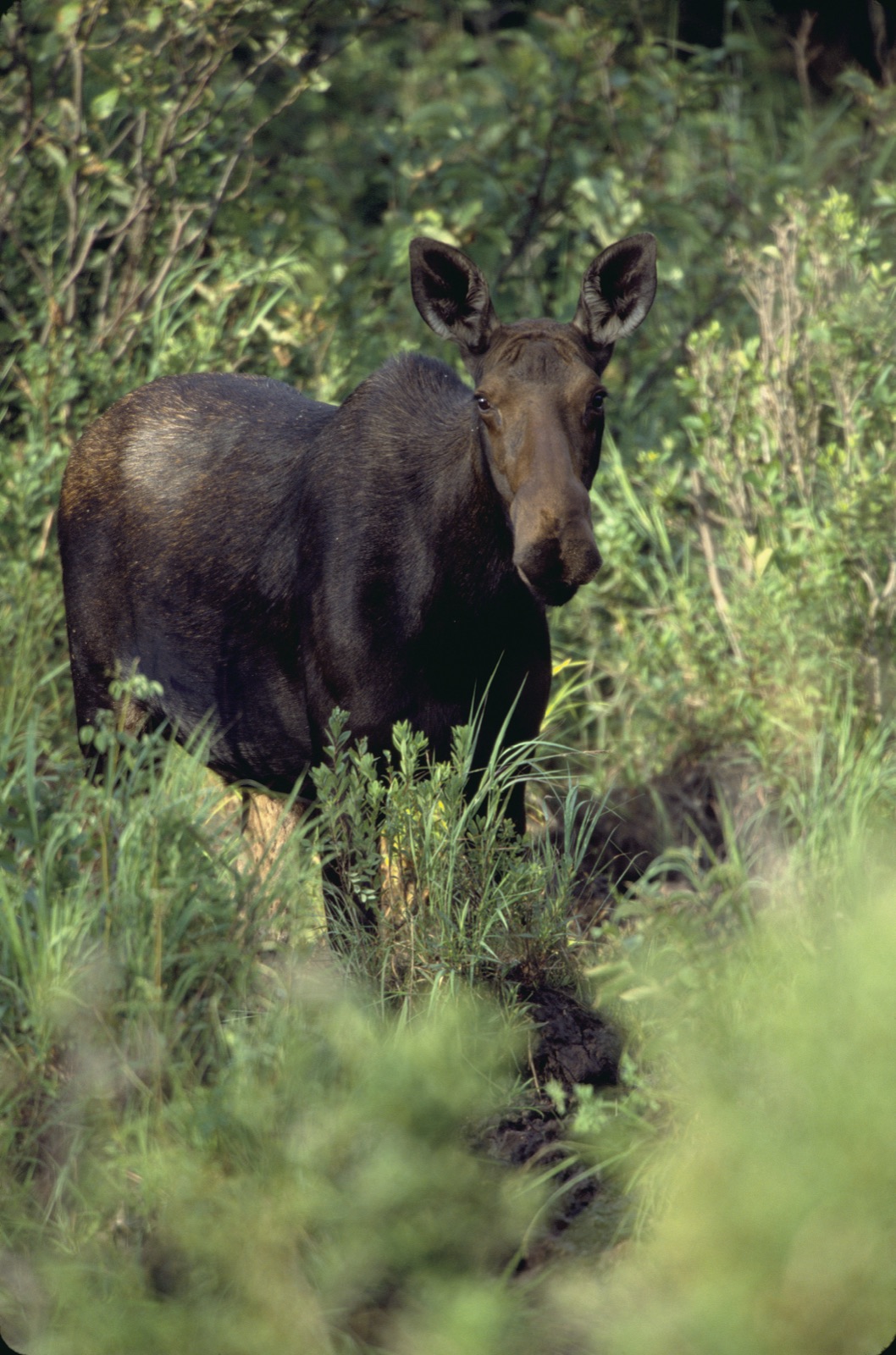 05 calls
Big Game
Learn the meaning of cow moans, bull grunts, calf calls, distress sounds, and warning cues, with safe seasonal moose calling setups.
Open the moose field guide →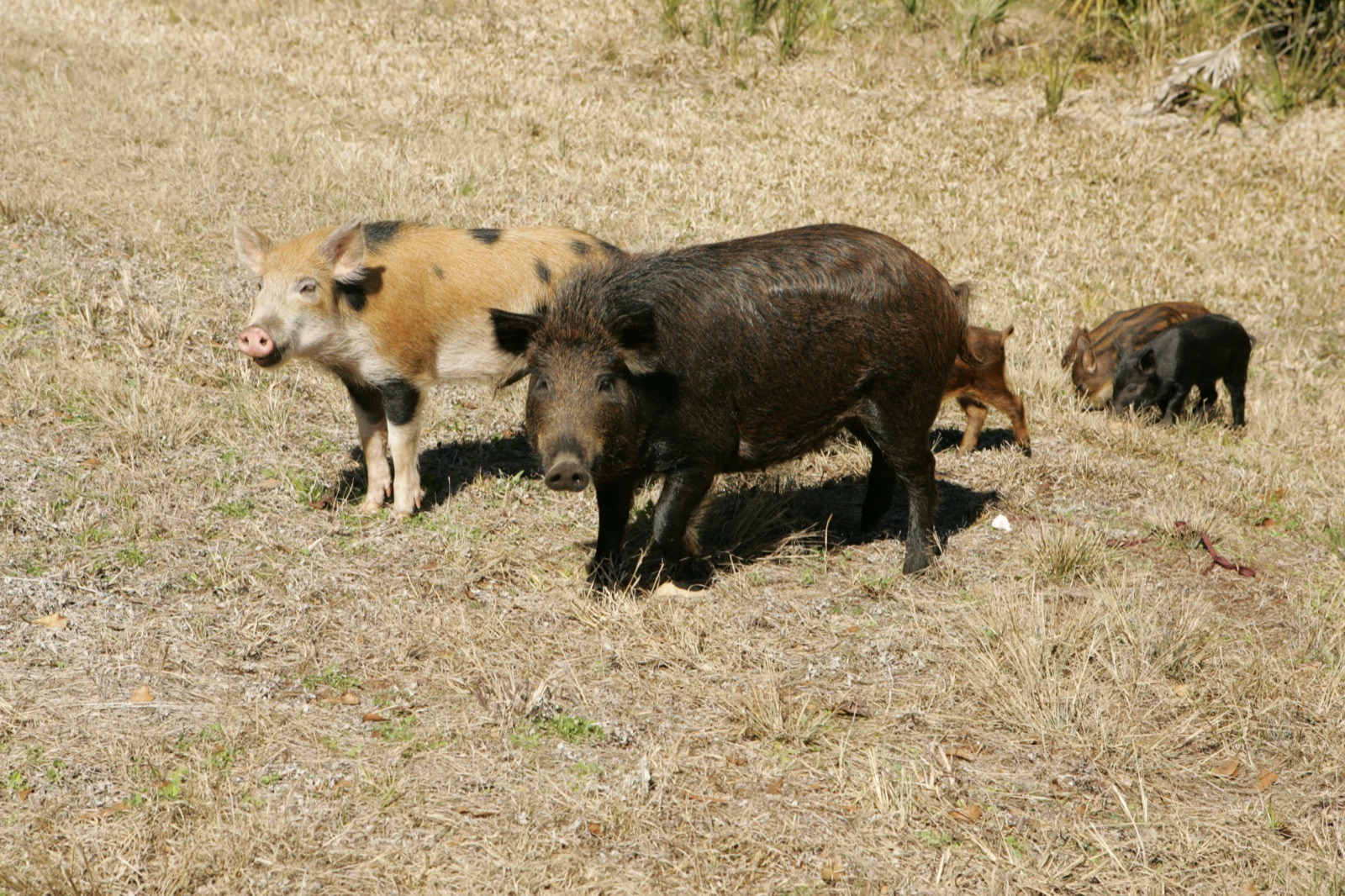 06 calls
Big Game
Learn the context behind feral hog contact grunts, feeding sounds, nursing calls, piglet distress, growls, and alarm cues without overstating results.
Open the feral hog field guide →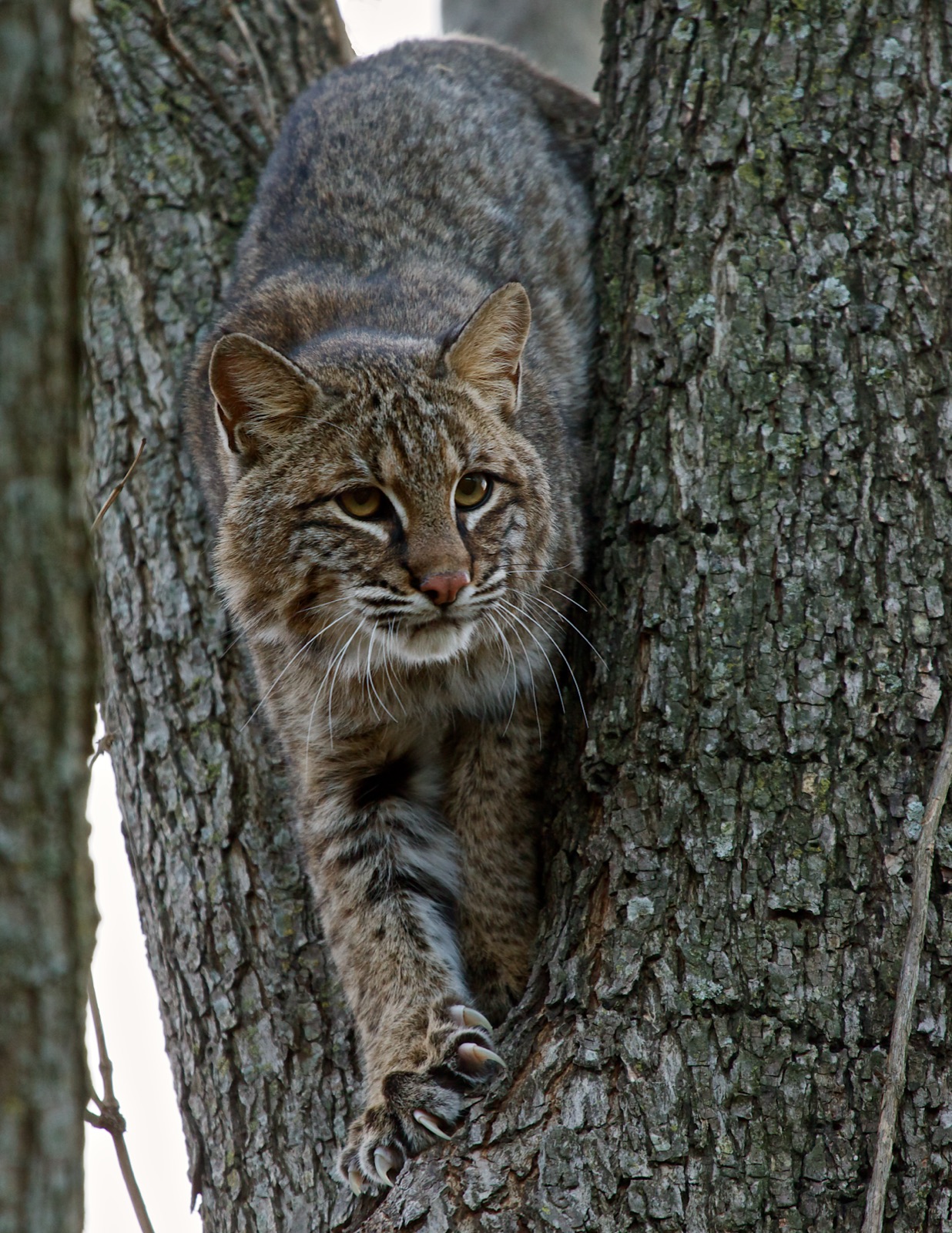 06 calls
Predators
Use bobcat mating sounds and prey distress with realistic expectations, longer pauses, visual cover checks, and species-specific legal care.
Open the bobcat field guide →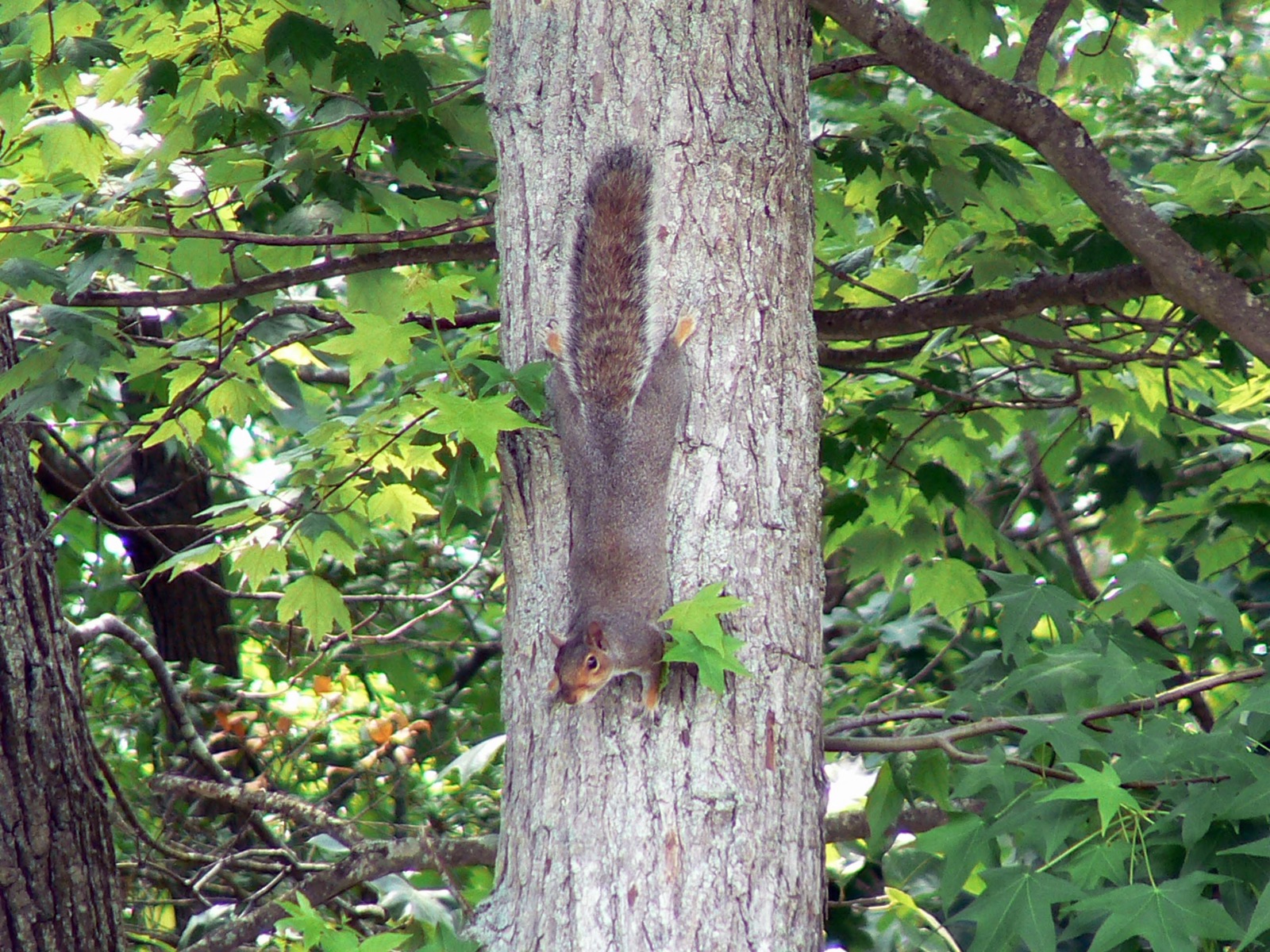 06 calls
Small Game
Learn gray squirrel kuks, quaas, moans, distress whistles, chatter and gnawing cues for locating squirrels in mast and den-tree cover.
Open the gray squirrel field guide →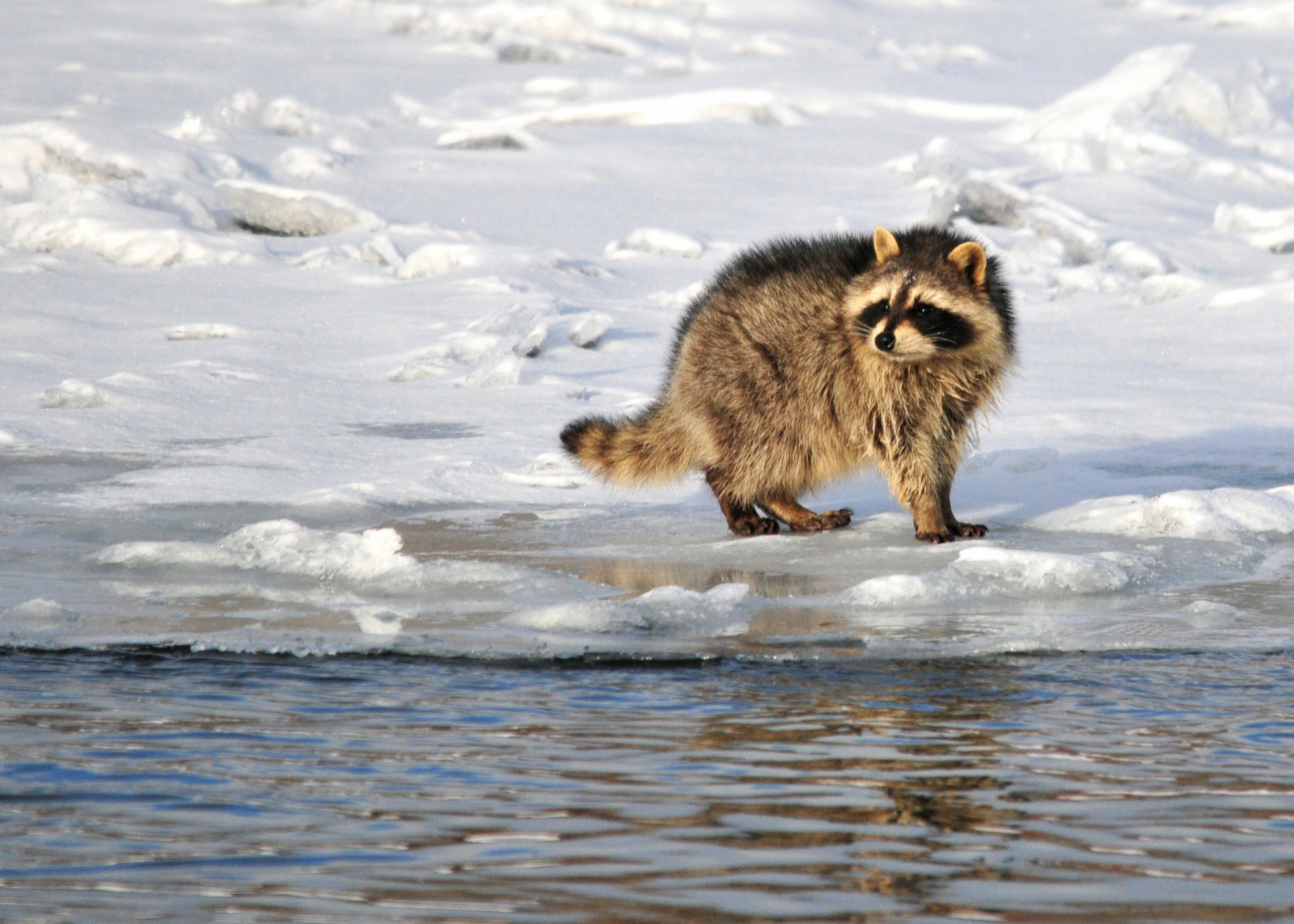 05 calls
Small Game
Learn raccoon distress, chitter, fight, feeding and warning sounds, with den-tree setups, response signs, safe identification, and legal checks.
Open the raccoon field guide →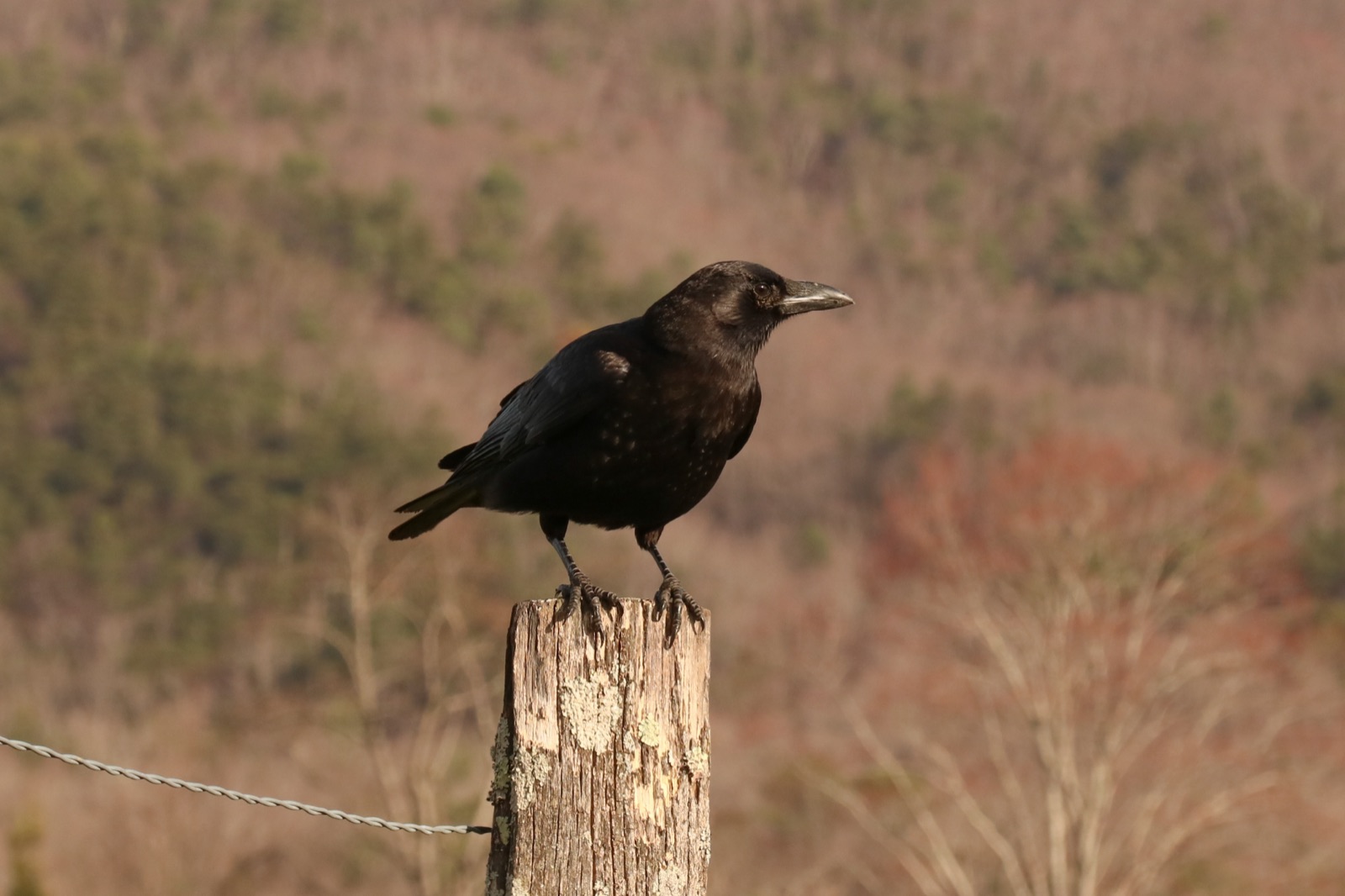 06 calls
Upland Birds
Learn standard caws, territorial and alert series, mobbing calls, juvenile begging, and subtle crow rattles with state-rule caveats.
Open the crow field guide →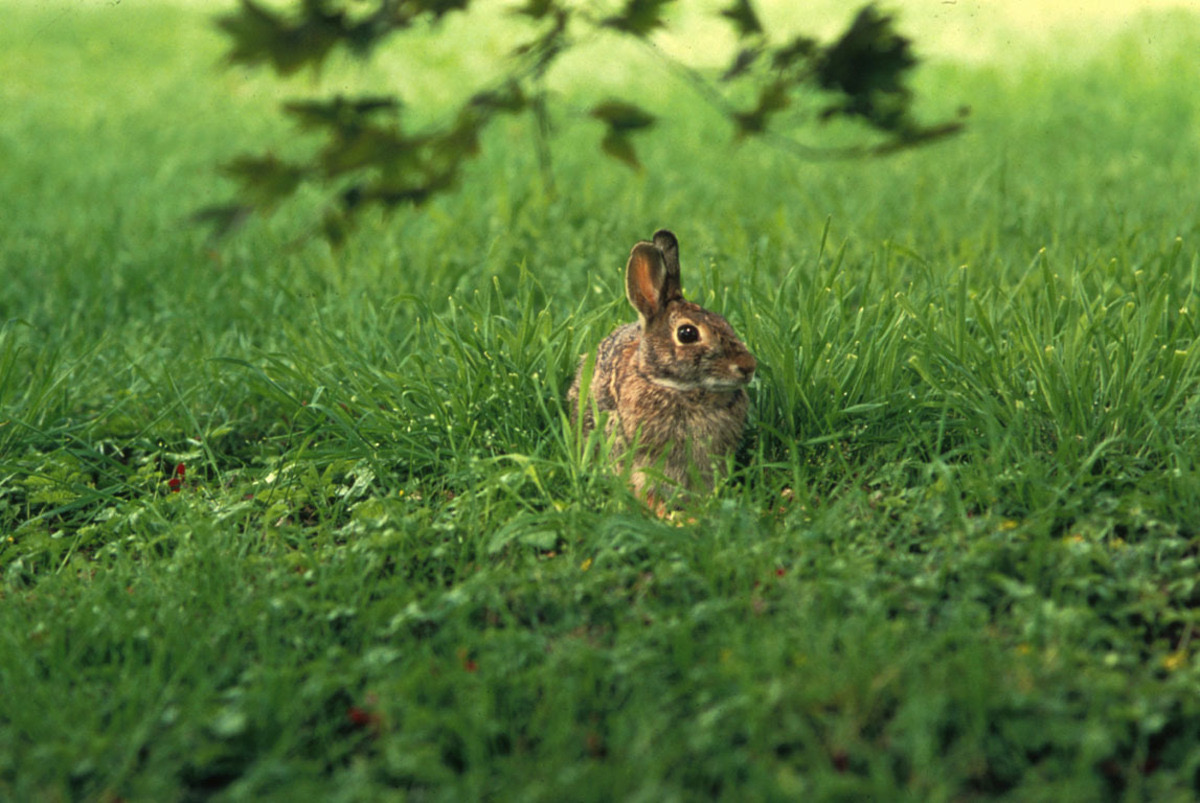 05 calls
Small Game
Understand cottontail distress screams, foot thumps, grunts and kit calls—and why habitat and quiet movement matter more than calling rabbits.
Open the eastern cottontail field guide →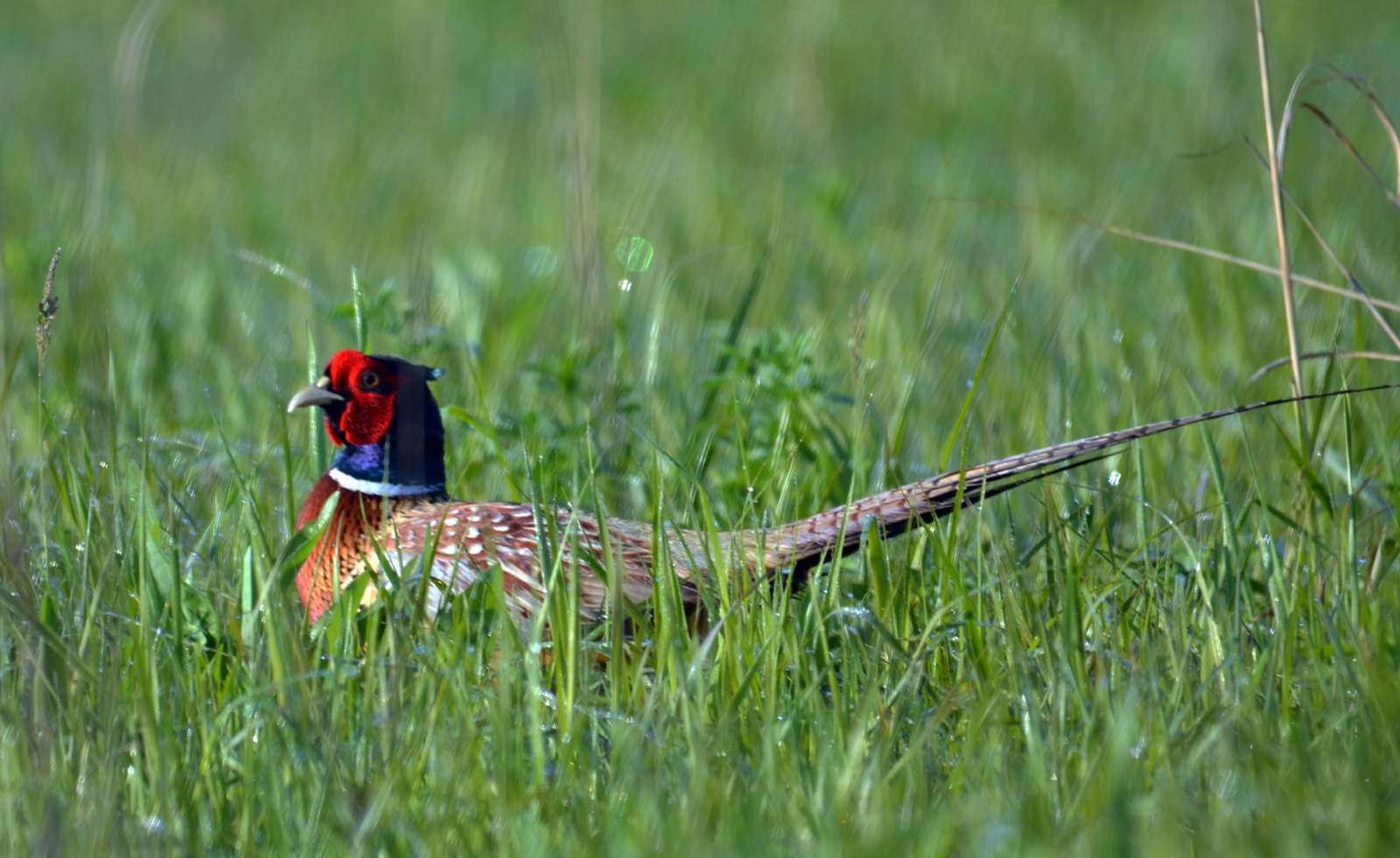 06 calls
Upland Birds
Recognize the rooster crow, wing drumming, flush cackle, takeoff whir, brood signals, and a listening-first field routine.
Open the pheasant field guide →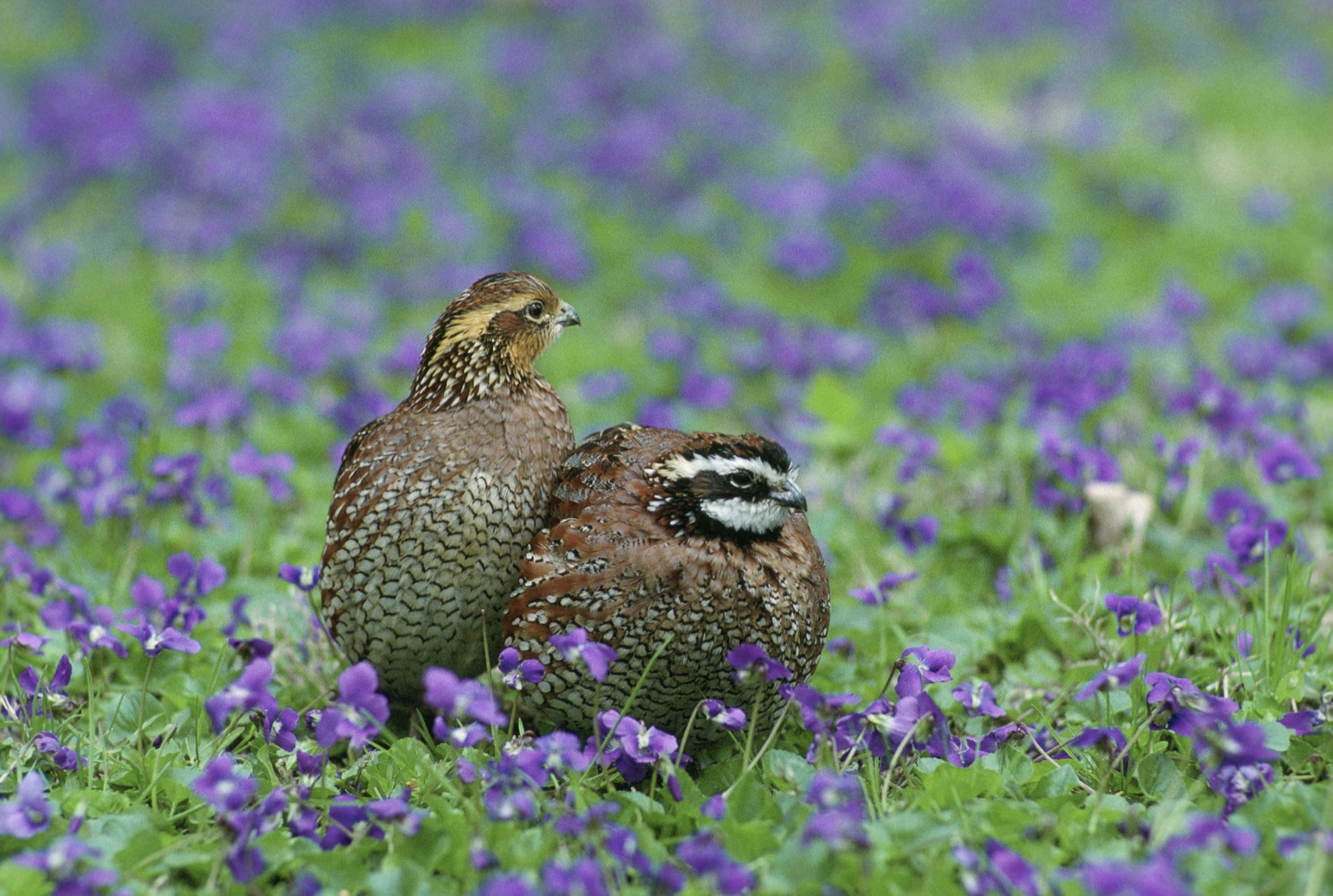 06 calls
Upland Birds
Recognize the bob-white whistle, fall koi-lee covey call, contact notes, chick food call, and the limits of call-based locating.
Open the bobwhite field guide →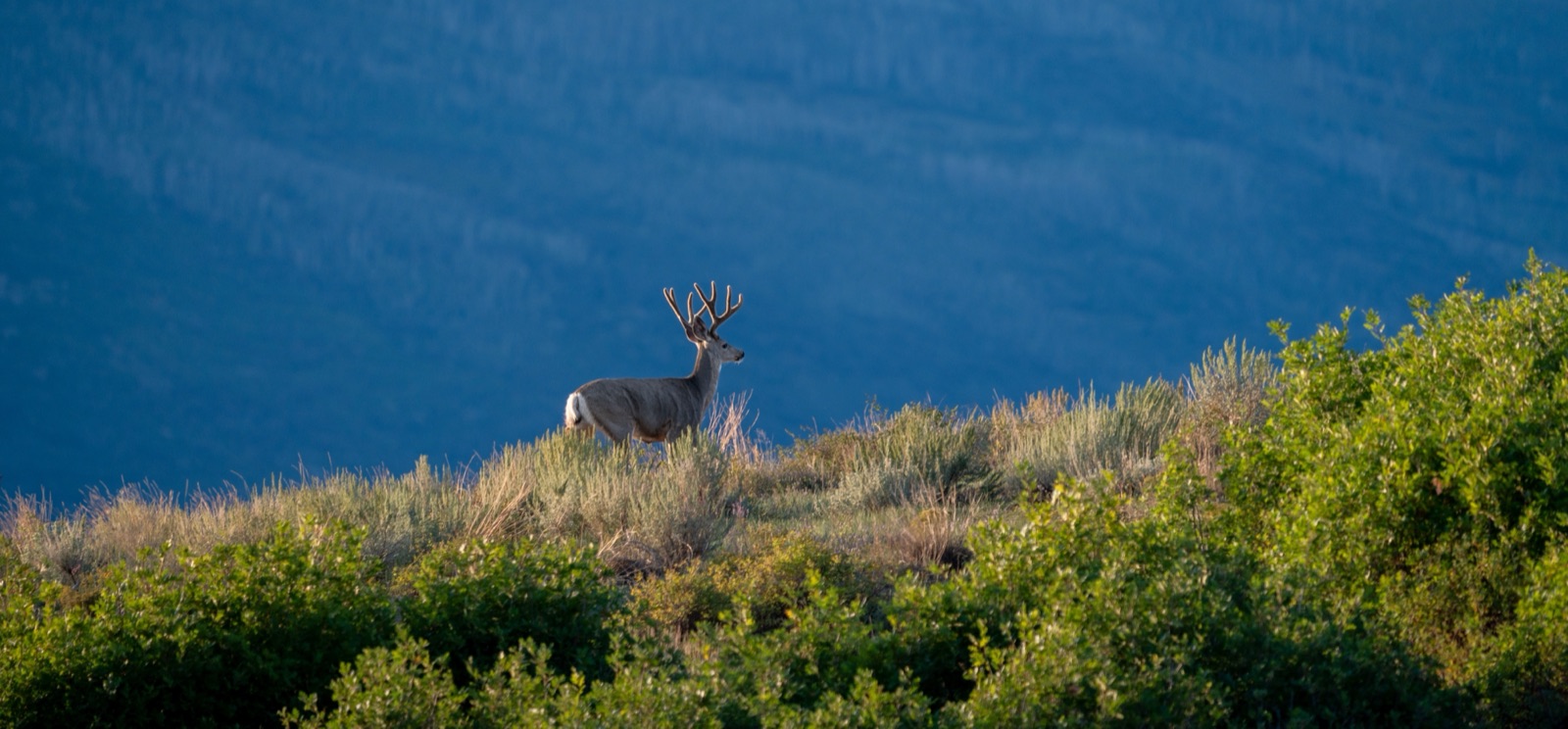 06 calls
Big Game
Understand mule deer grunts, bleats, distress calls, alarm sounds, snort-wheezes, and rattling, including realistic seasonal response and setup advice.
Open the mule deer field guide →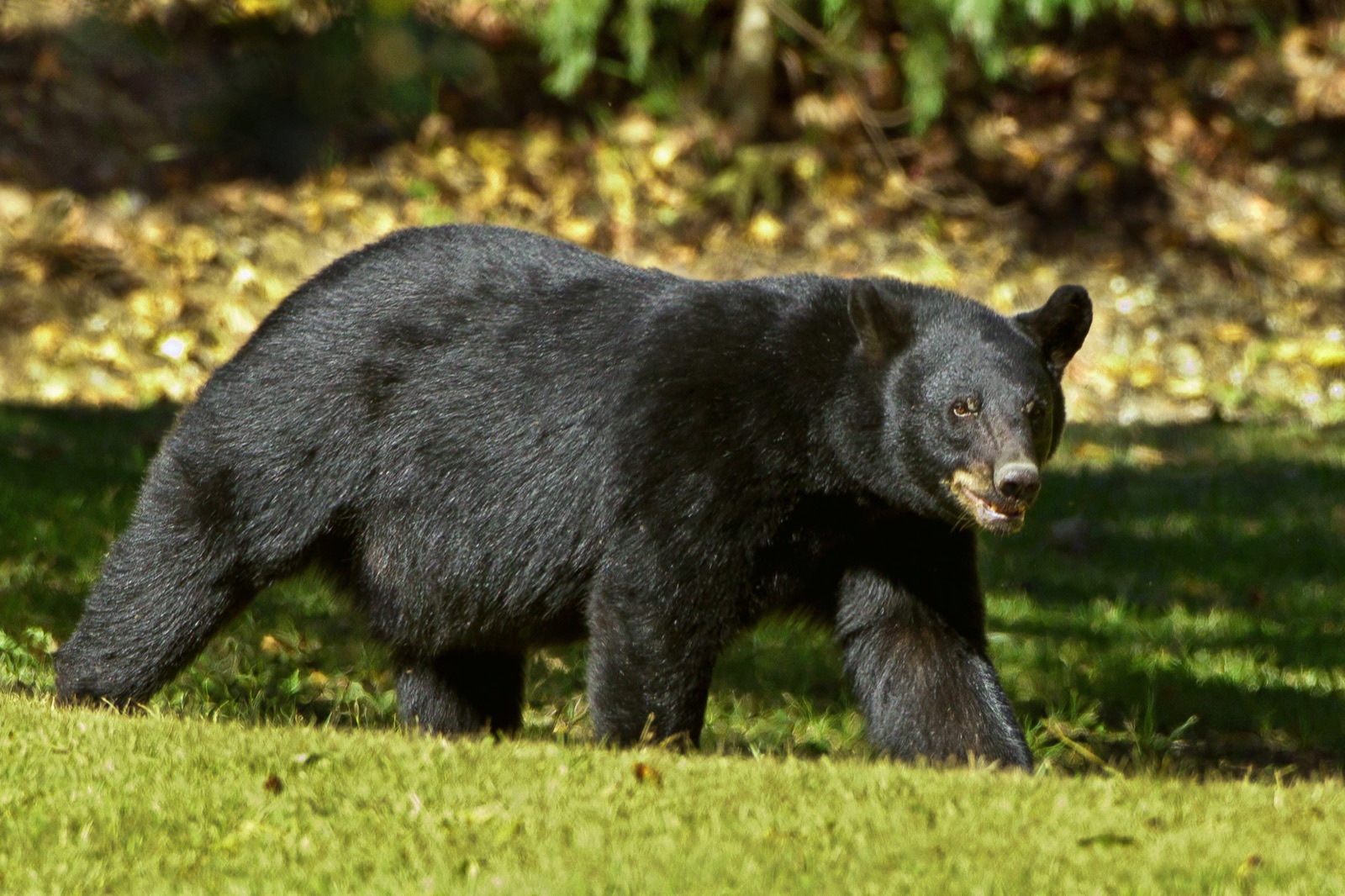 06 calls
Big Game
Distinguish black bear grunts, clicks, cub distress, huffs, jaw clacks, and prey-call setups, with realistic response and essential safety guidance.
Open the black bear field guide →Before you choose a sound
A rut challenge, family contact call, flock greeting, prey distress, and alarm note are not interchangeable. If the message does not fit the species, season, and source location, adding volume will not make the scene more credible.