5 focused guides
Hunting Call Fundamentals
Learn the core skills behind hunting calls: message, cadence, volume, pauses, practice, animal response, weather, setup, and knowing when to stop.
Explore the topic →Browse by calling topic
Browse by species, season, field problem, or call type. Every topic joins focused articles to the animal guides that supply the biological context.
Learn the core skills behind hunting calls: message, cadence, volume, pauses, practice, animal response, weather, setup, and knowing when to stop.
Explore the topic →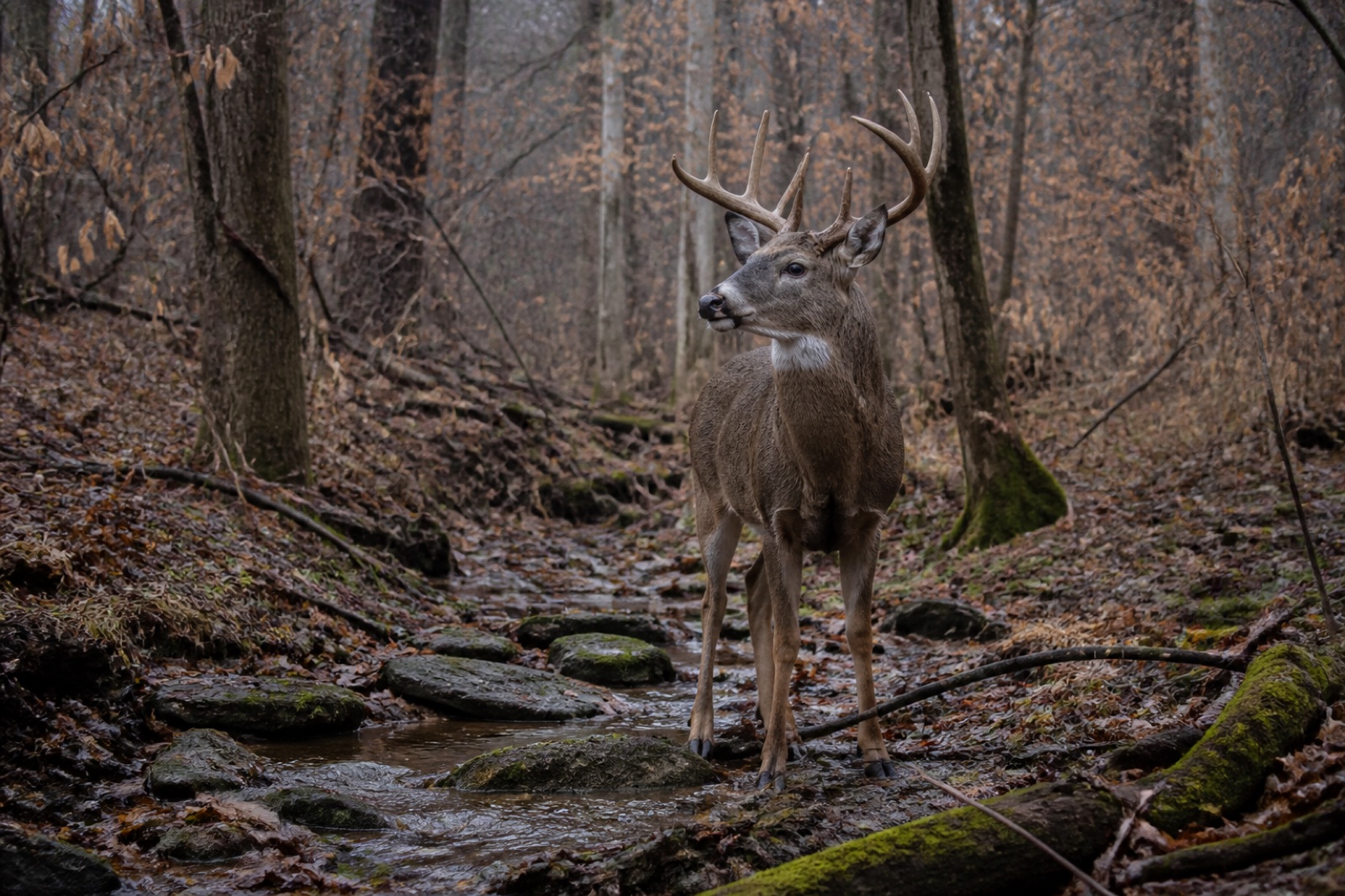
Compare deer grunts, bleats, rattling, and rut-phase strategies with practical guidance on timing, setup, response signs, restraint, and legal checks.
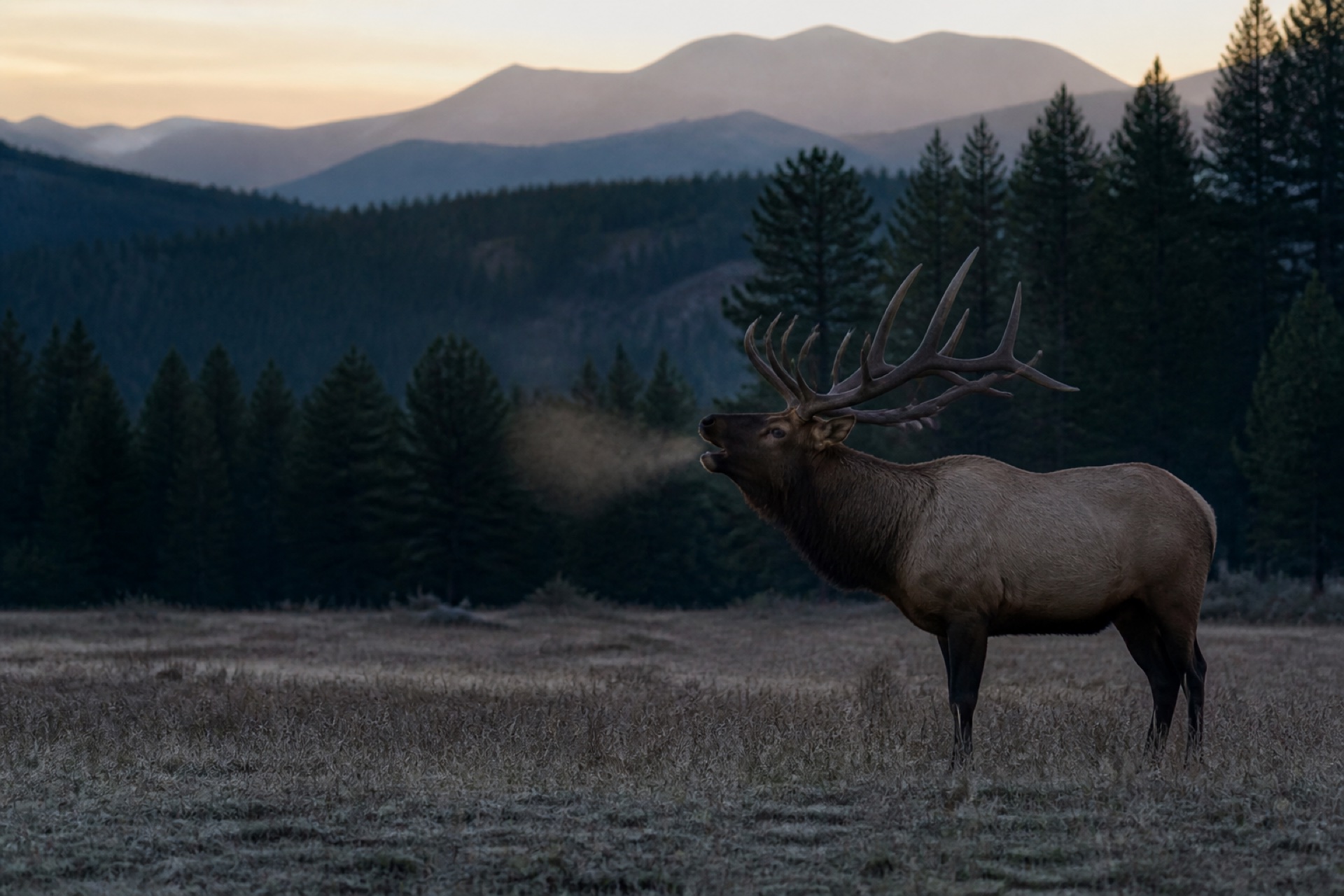
Explore the topic →Understand elk bugles, cow mews, contact sounds, warning barks, and rut-phase calling decisions without treating every vocal bull the same way.
Explore the topic →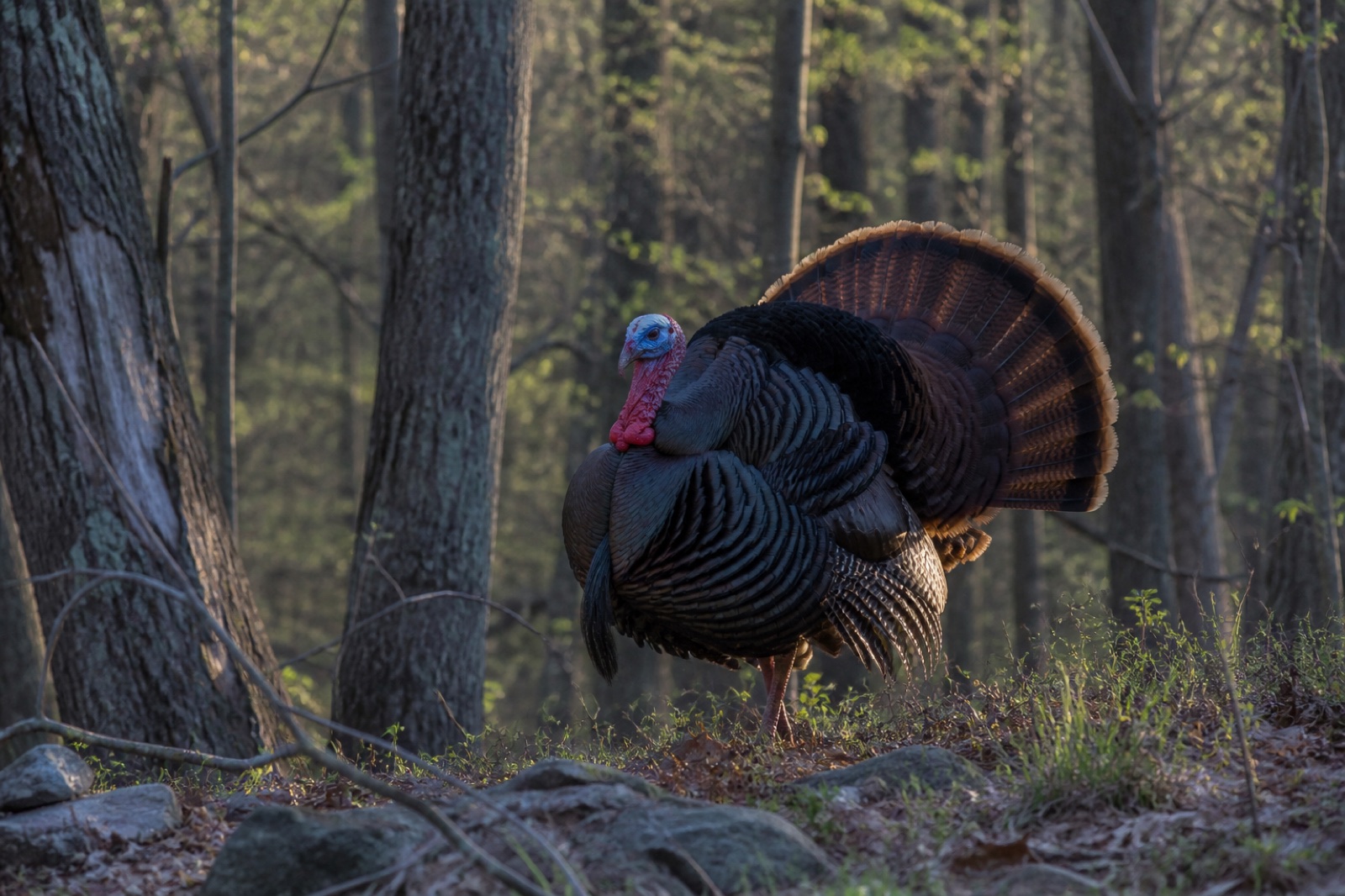
Learn what turkey yelps, clucks, purrs, putts, and other calls communicate, then adjust calling from the roost period through late morning and afternoon.
Explore the topic →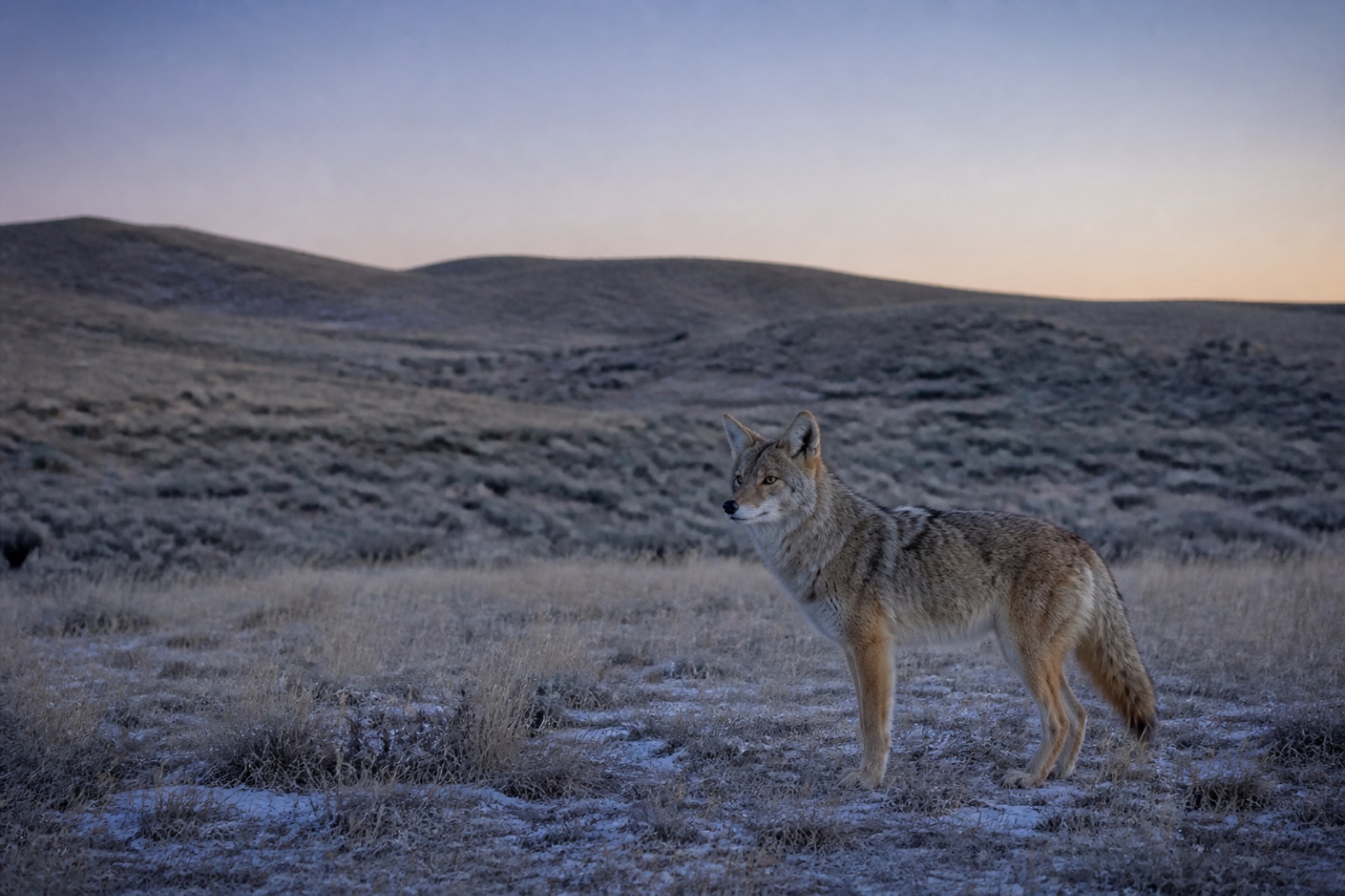
Plan predator stands around coyote social howls, prey distress, downwind approaches, realistic pauses, stand length, visibility, and current local regulations.
Explore the topic →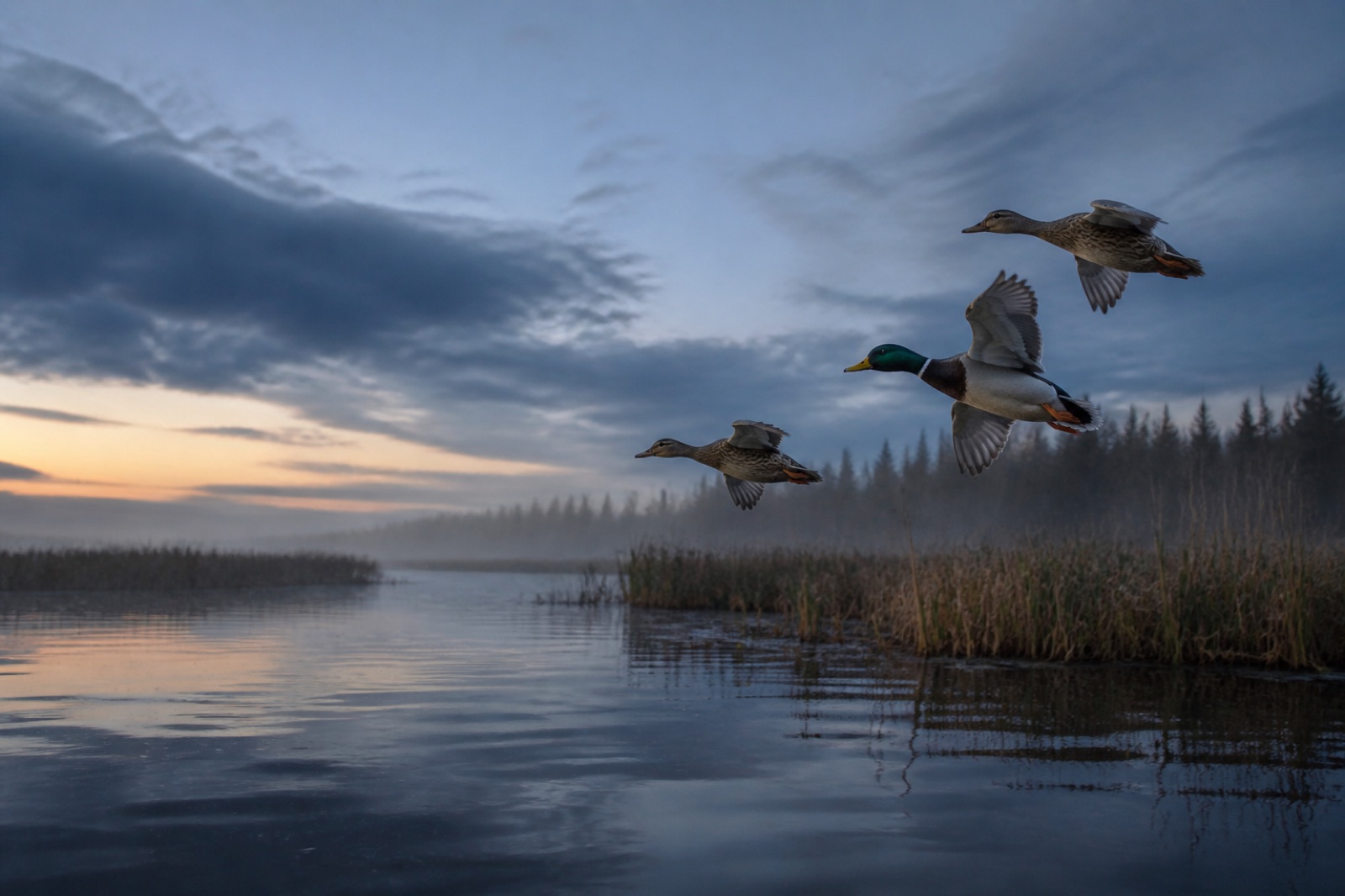
Build practical duck and goose calling sequences from quacks, greeting calls, clucks, honks, moans, and murmurs while reading distance and flight response.
Explore the topic →
Choose between manual, electronic, open-reed, and closed-reed hunting calls, then clean, dry, store, inspect, and test them before the season.
Explore the topic →Adjust hunting-call message, intensity, and setup for rut phases, time of day, wind, rain, cold, animal pressure, and the response already in front of you.
Explore the topic →