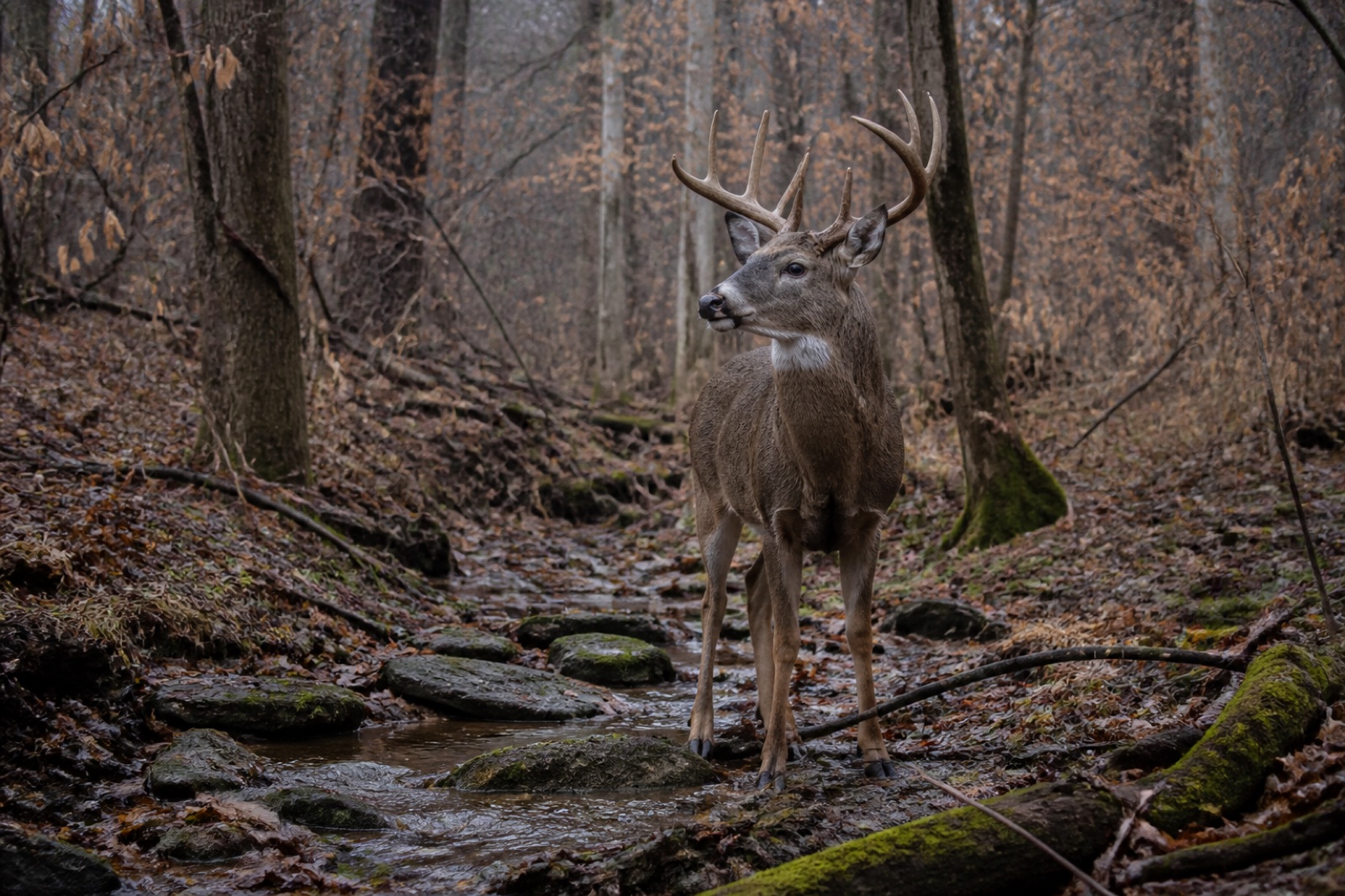
Rut, contact & social calls
Big Game Calls
Grunts, bleats, bugles, cow calls, rattling, and other big-game sounds explained by season and situation.
Browse big game →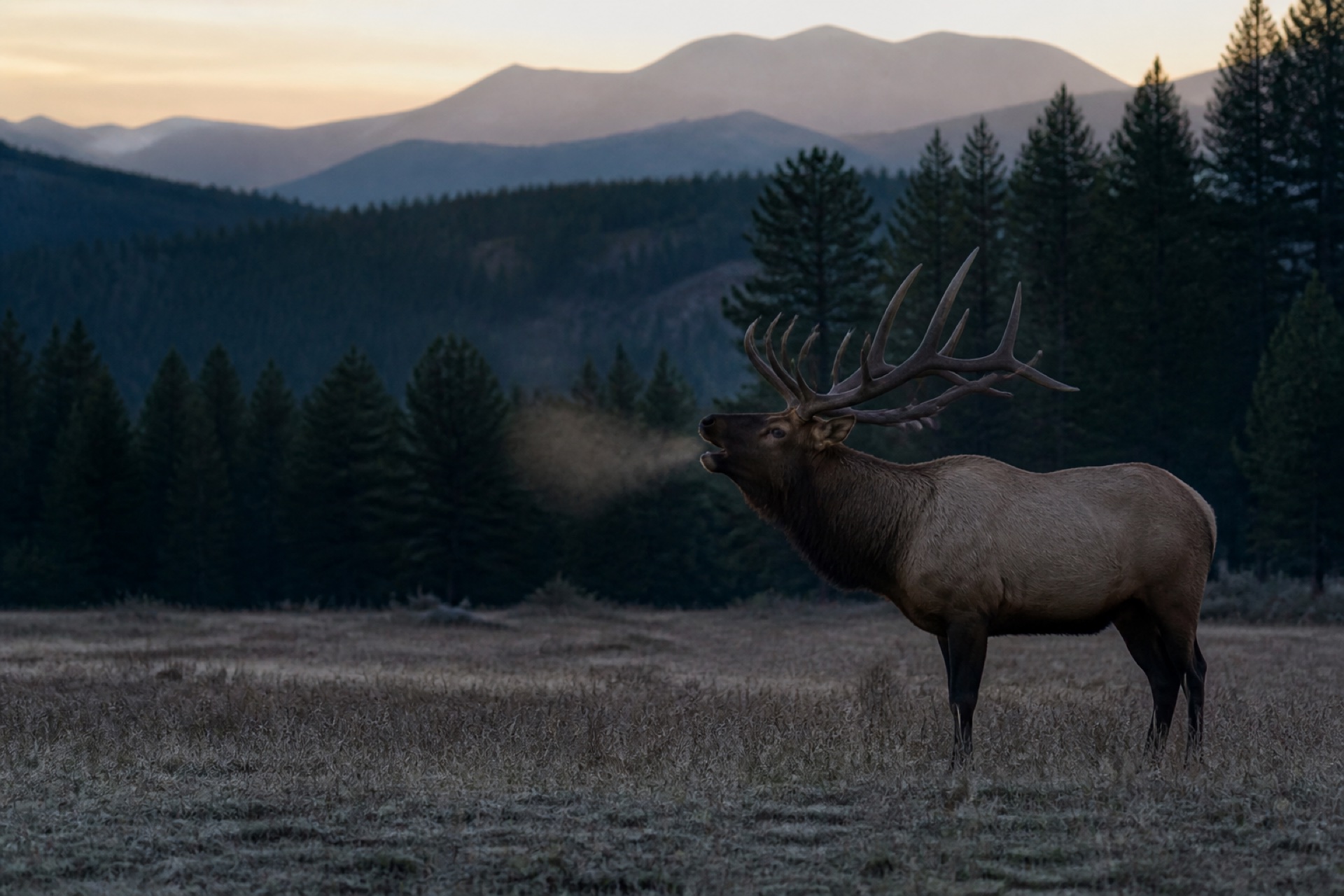
The animal-call field guide
Species-by-species hunting call guides with real vocalizations, meanings, seasonal context, practical sequences, response signs, setup, and legal checks.
Choose the conversation
Start with the animal group, then work down to the sound, season, sequence, and response. Every important page stays within three clicks of this index.
Rut, contact & social calls
Grunts, bleats, bugles, cow calls, rattling, and other big-game sounds explained by season and situation.
Browse big game →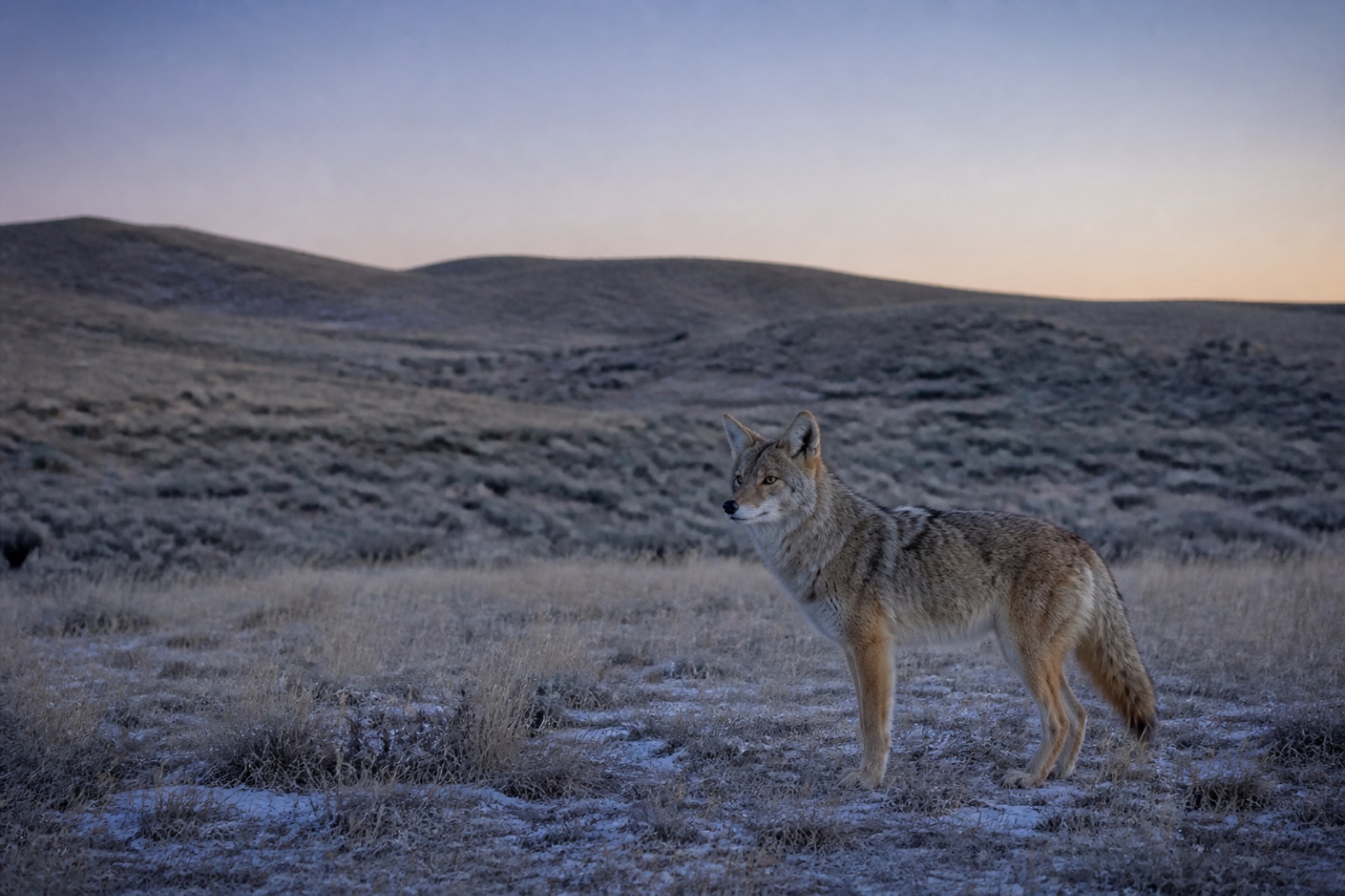
Howls, distress & curiosity
Predator calling strategies built around territorial, social, prey-distress, and curiosity responses.
Browse predators →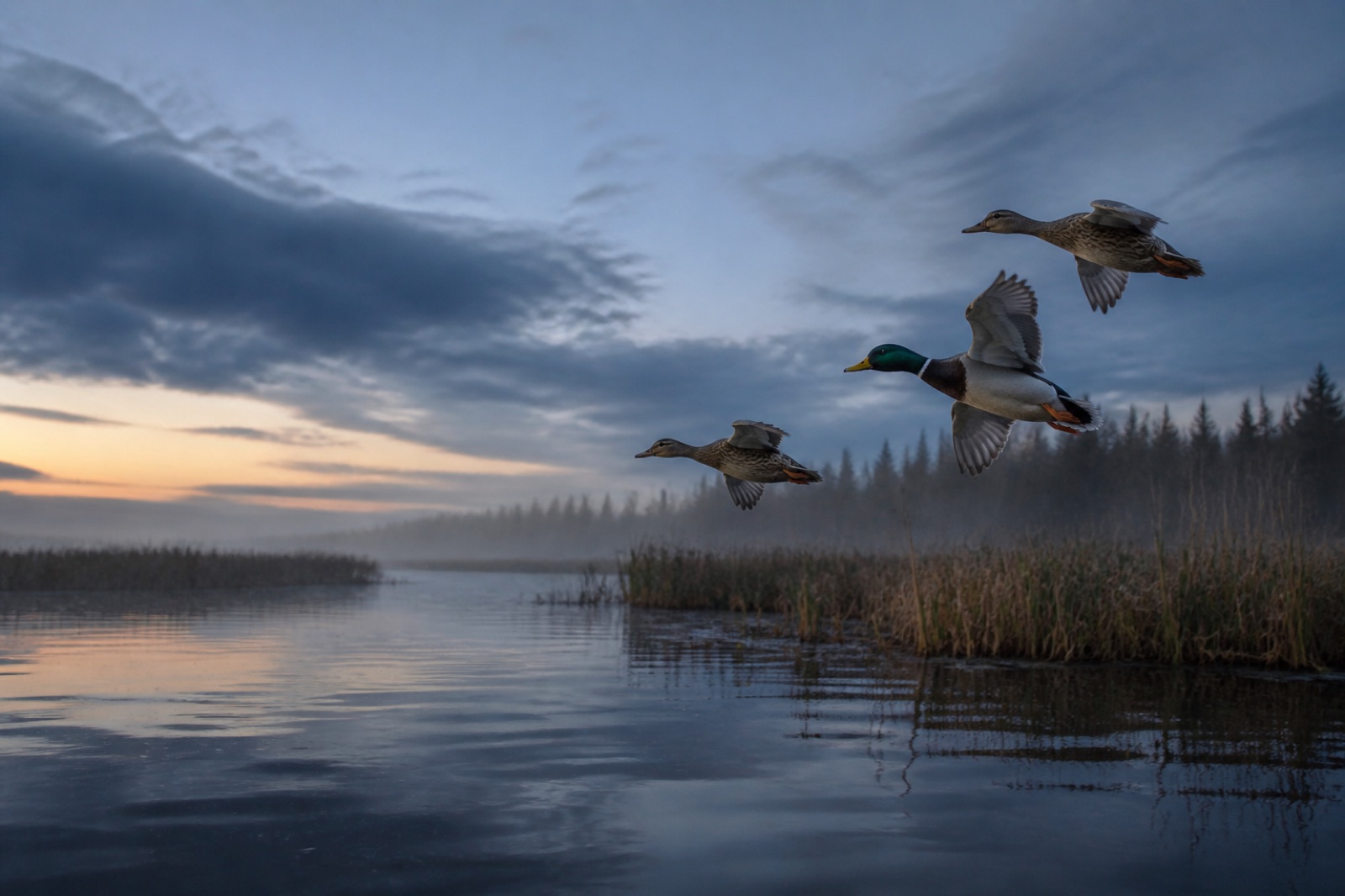
Quacks, clucks, moans & murmurs
Duck and goose vocabulary, cadence, finishing calls, and the body language that tells you when to get quiet.
Browse waterfowl →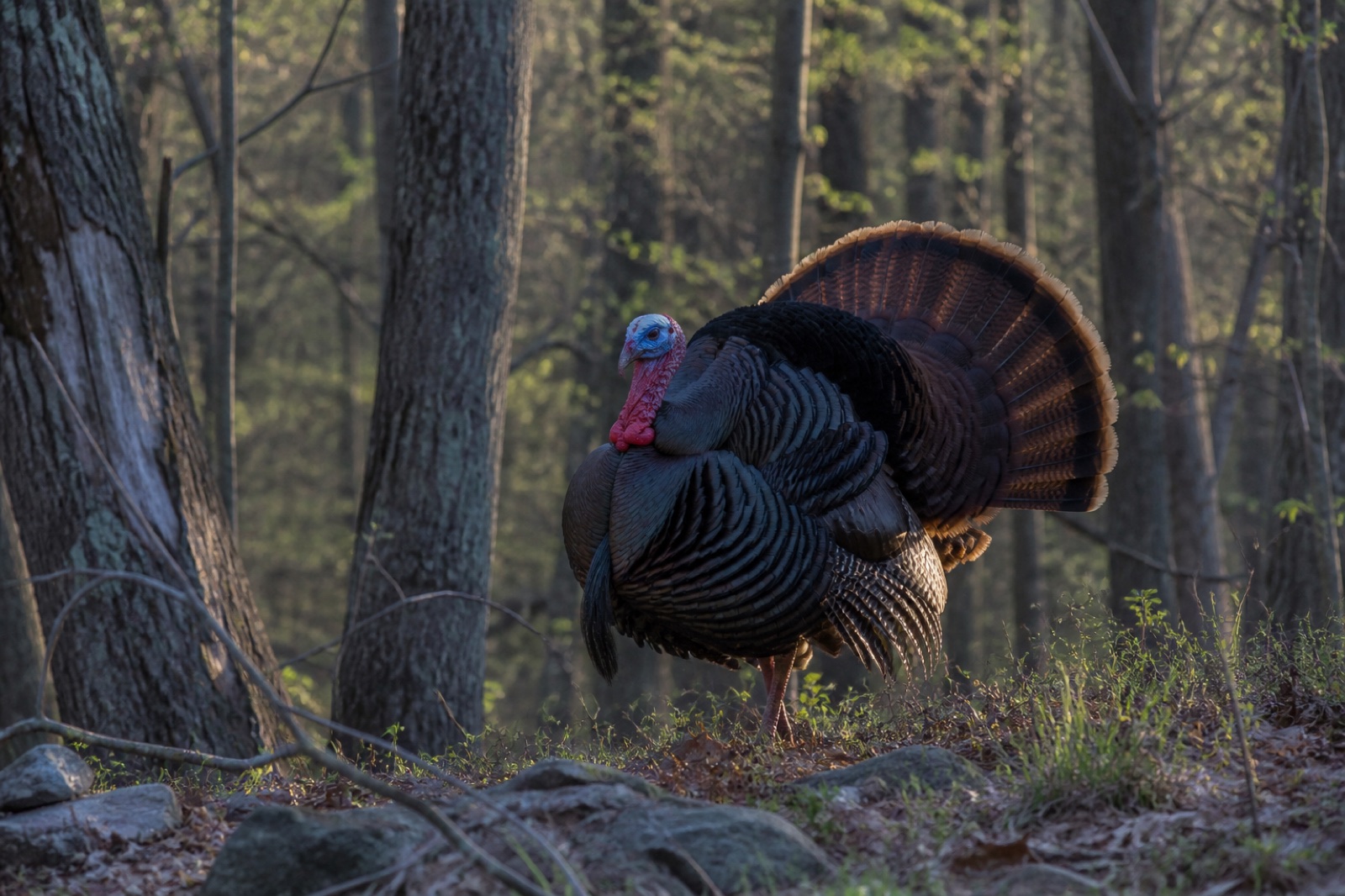
Yelps, clucks, whistles & locators
Turkey and upland-bird calls organized by flock contact, breeding behavior, location, and response.
Browse upland birds →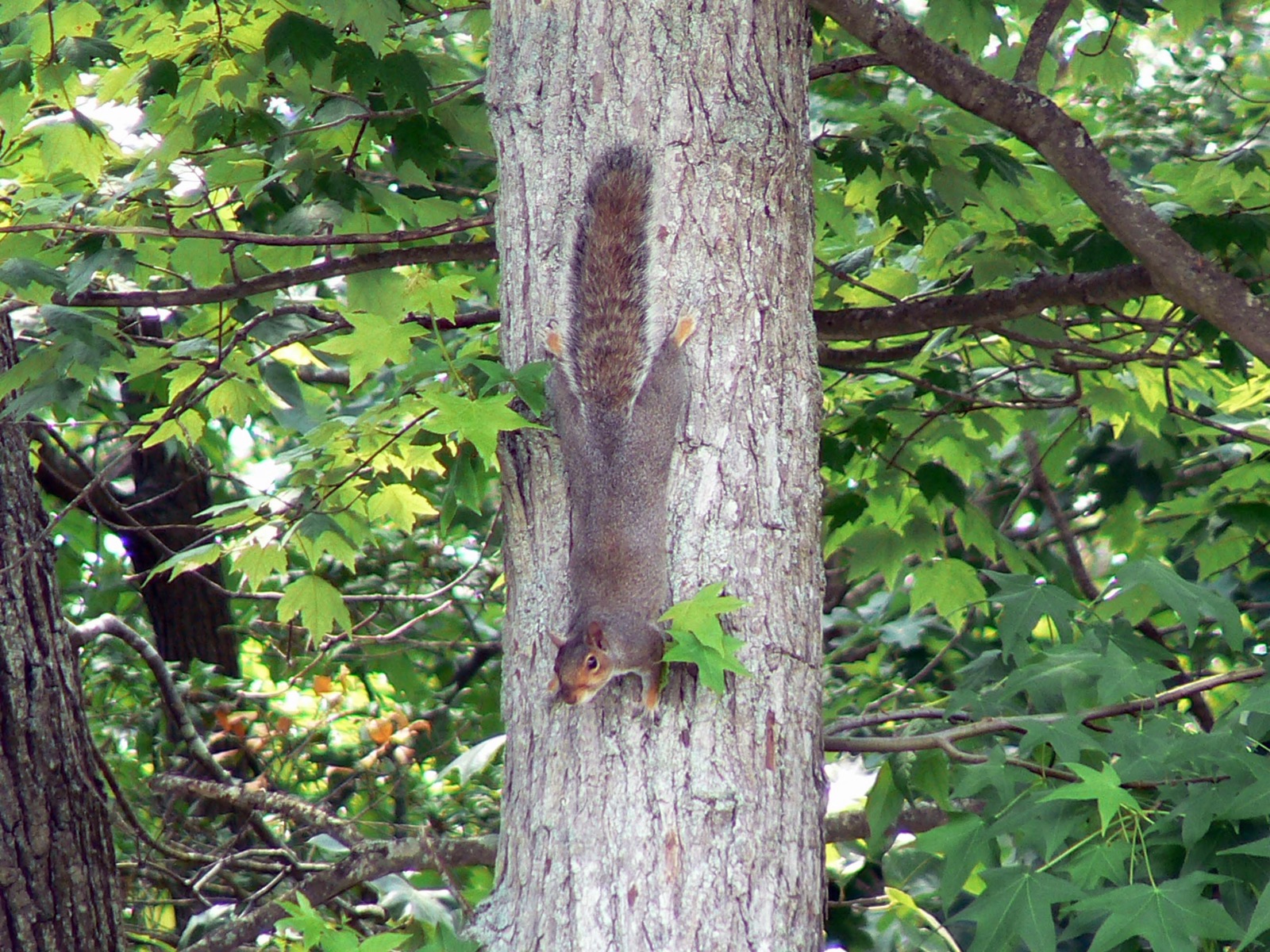
Barks, chatters, distress & contact
Calling tactics for squirrels, rabbits, raccoons, and other small game, with emphasis on locating and reading reactions.
Browse small game →Start with the core species
Each guide separates natural vocalizations, hunter routines, nonvocal cues, and prey sounds so labels do not blur together.
 06 calls
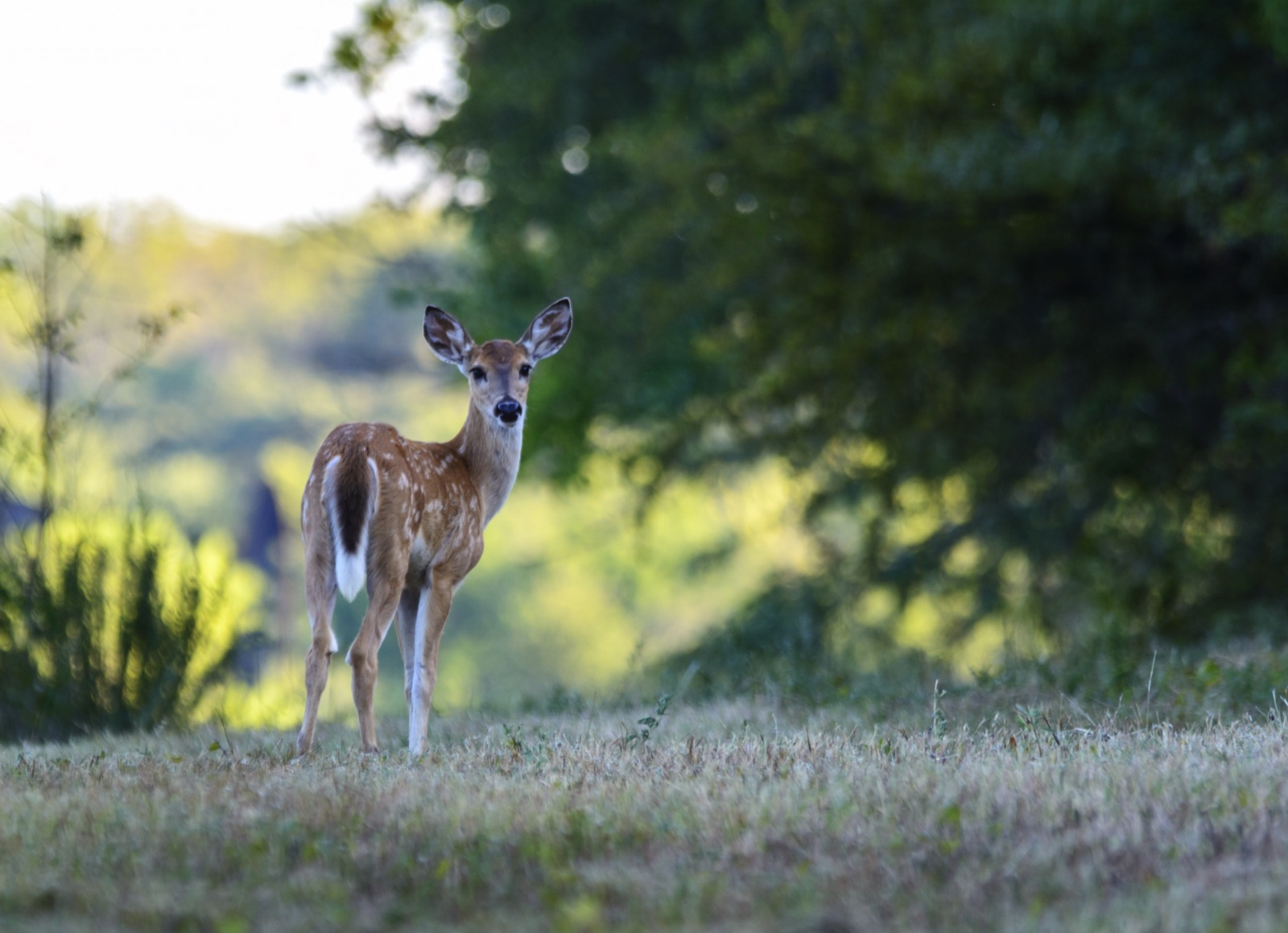
Big Game
Learn the meaning of whitetail deer grunts, bleats, snort-wheezes, alarm snorts, and rattling, with seasonal setups and restrained calling sequences.
Open the whitetail field guide →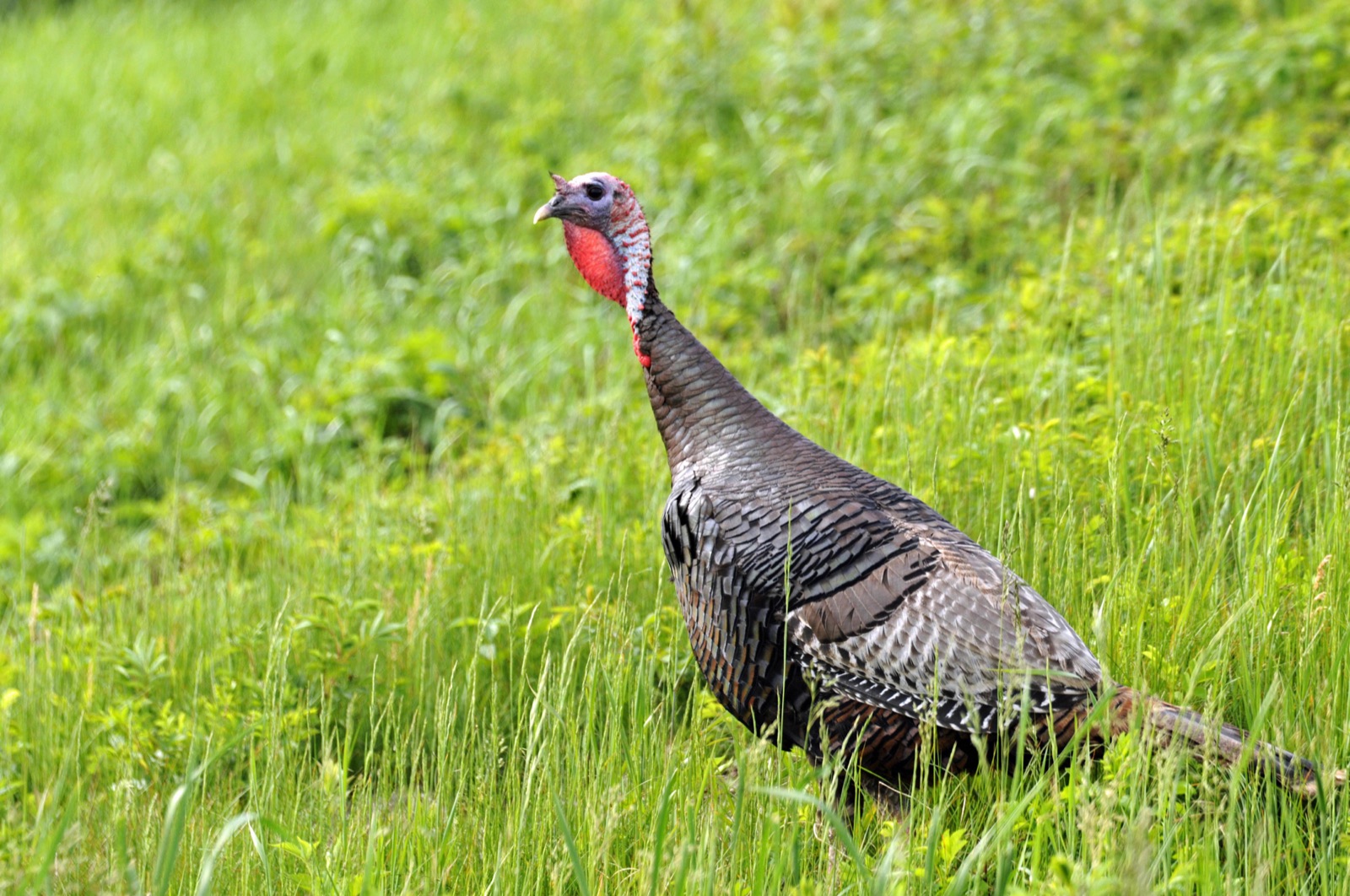 06 calls
Upland Birds
Learn the plain yelp, cluck, purr, cutting, fly-down cackle, and gobble, plus when to call less and listen more.
Open the turkey field guide →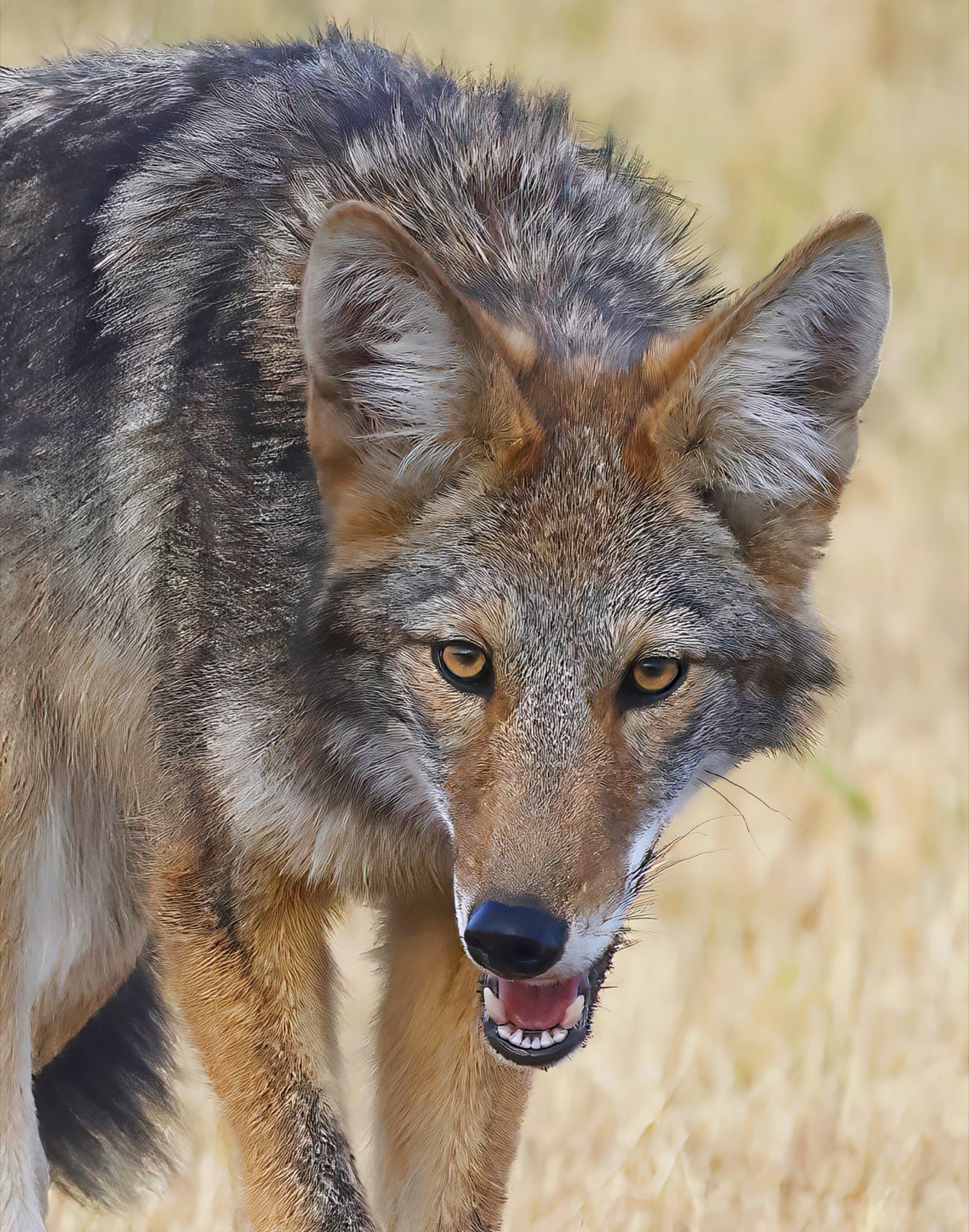 06 calls
Predators
Learn coyote howls, yips, pup distress and prey-distress calls, with seasonal sequences, wind setup, response signs, and calling mistakes.
Open the coyote field guide →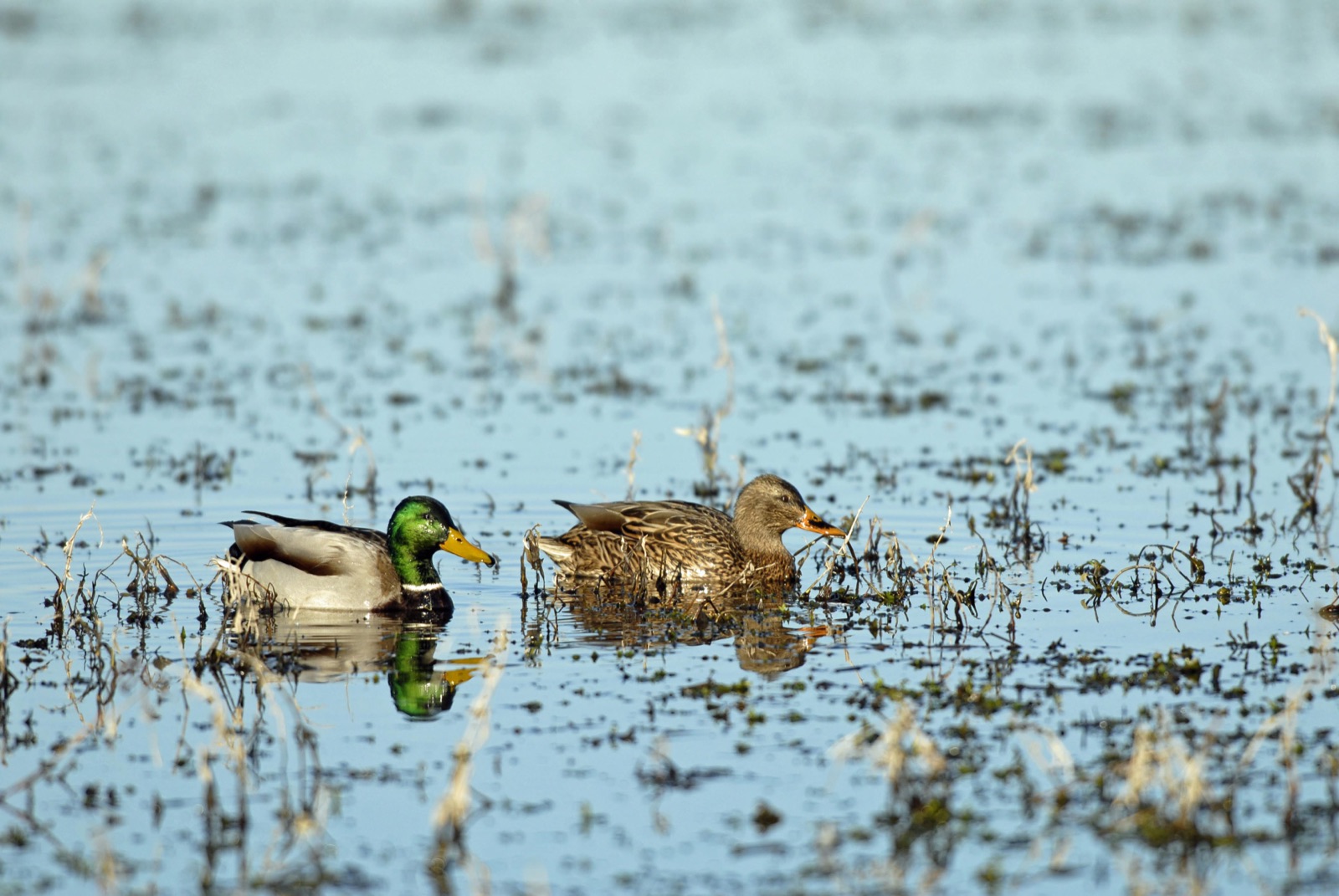 06 calls
Waterfowl
Understand the hen quack, descending series, greeting and comeback routines, feed chatter, and drake rasp without overcalling birds.
Open the mallard field guide →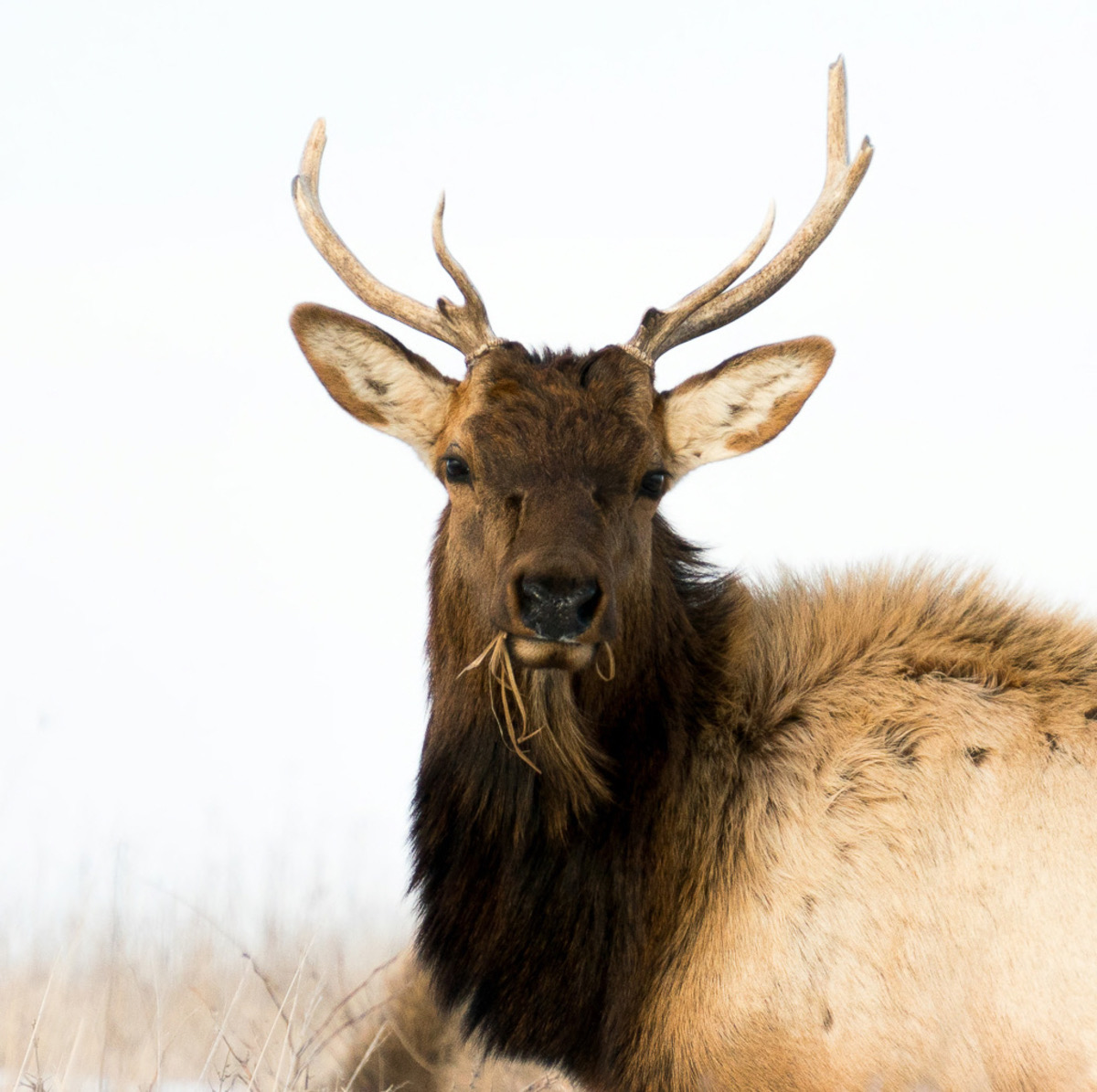 06 calls
Big Game
Learn what elk bugles, mews, calf calls, chuckles, glunks, and alarm barks mean, plus seasonal setups and two restrained calling sequences.
Open the elk field guide →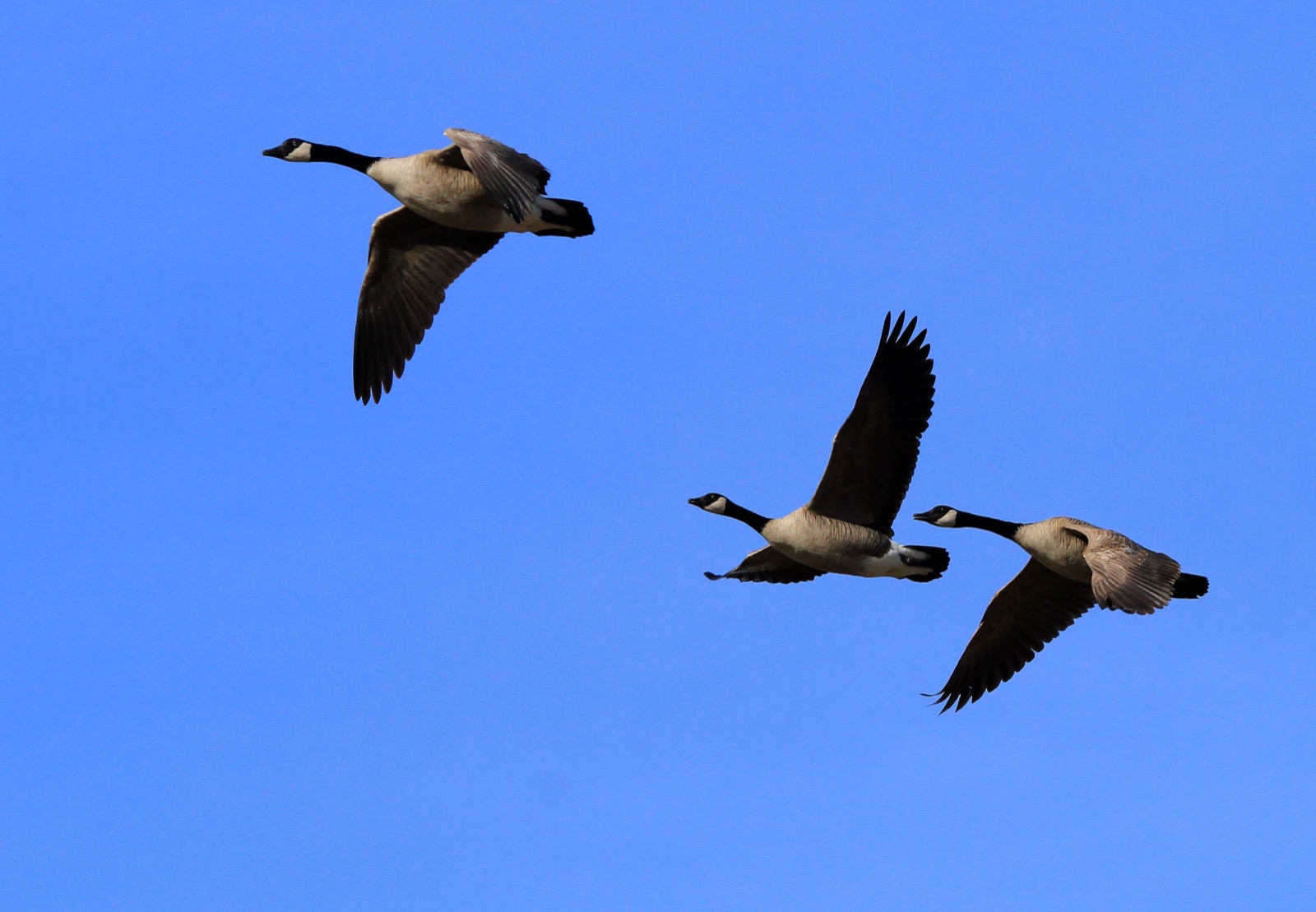 06 calls
Waterfowl
Learn the Canada goose cluck, honk, moan, murmur, excited clucks, and restrained response-based calling routines.
Open the canada goose field guide →The field logic
A believable note with a poor source location, exposed wind, or wrong season is still an unconvincing setup. Build the whole event.
Identify the actual vocalization, cue, or hunter routine.
Know whether it signals contact, breeding, territory, distress, or alarm.
Use the sound only when the biological and hunting context fits.
Let movement, posture, direction, and silence decide the next note.
Calling technique
Cadence, volume, pause, weather, device, and response guides connect the species vocabulary to real field choices.
Learn why animals answer social, breeding, territorial, distress, and contact calls—and how to match the sound to the situation.
Compare deer grunts, bleats, and rattling by message, season, intensity, and likely response so each calling choice fits the encounter.
Learn how turkey yelps, clucks, purrs, and putts differ, what each signal means, and how to build restrained, safer calling sequences.
Compare coyote social howls, pup distress, and prey distress, then choose a credible calling message for season, sign, wind, and terrain.
Learn a beginner duck-calling sequence built around the basic quack, a measured greeting, visible bird response, softer finishing notes, and silence.
Compare open-reed and closed-reed hunting calls by control, sound range, learning curve, cold-weather behavior, maintenance, and best-fit use.
Trust the source, not the claim
Wildlife agencies, university sources, research, and conservation organizations anchor the biology. Current regulations remain the final authority for every hunt.
Natural history
Every species page links the sources behind its vocalizations and behavior.
Read our sourcing policy →Rules change
Electronic-call legality can differ by state, species, season, device, and land.
Use the rules checklist →No invented testing
We do not publish fake field credentials, guaranteed reactions, or product rankings.
About this guide →Image transparency
Species photos are public domain; atmospheric generated scenes are labeled illustration.
View photo credits →