 06 calls
Predators
Coyote calls
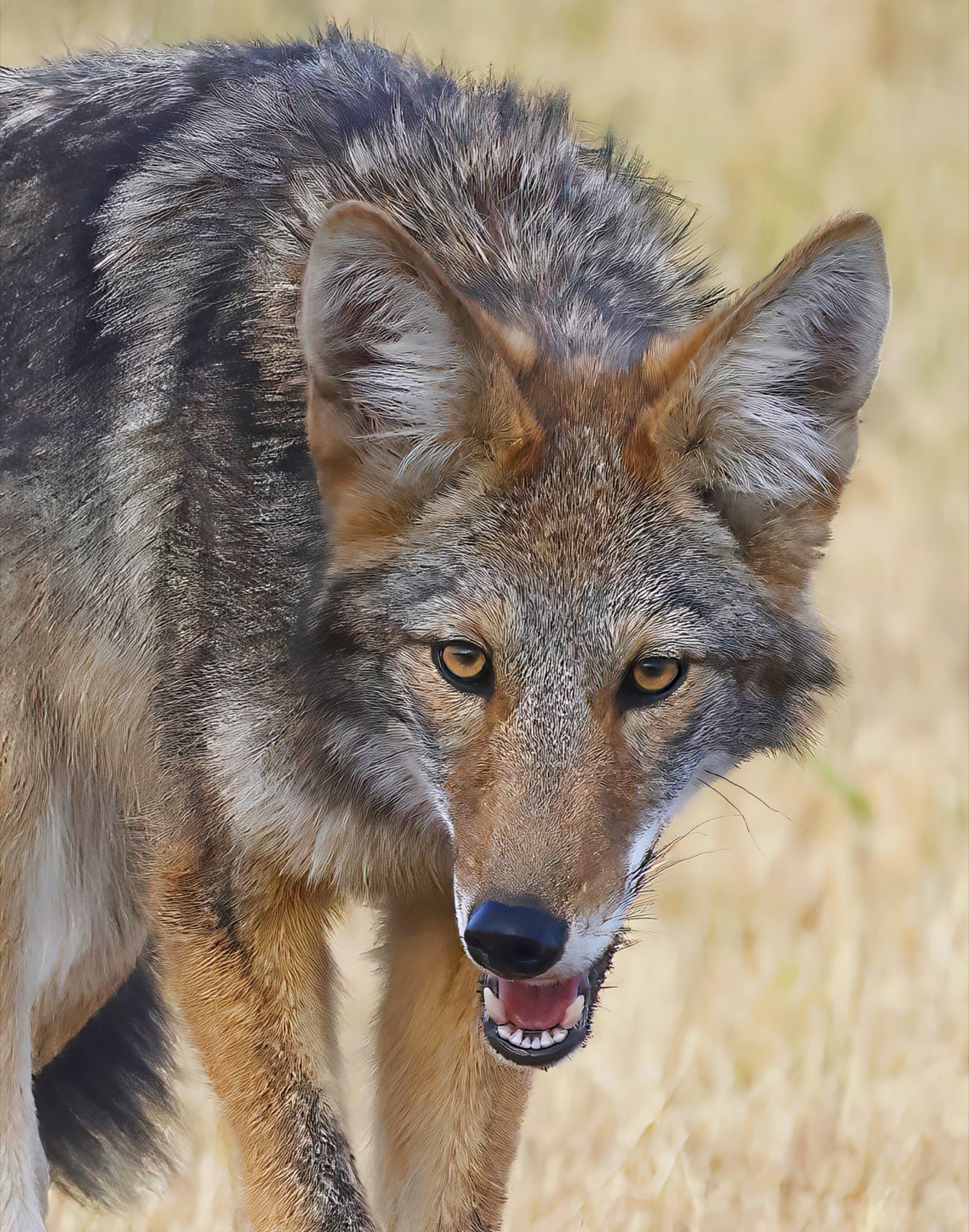
Learn coyote howls, yips, pup distress and prey-distress calls, with seasonal sequences, wind setup, response signs, and calling mistakes.
Open the coyote field guide →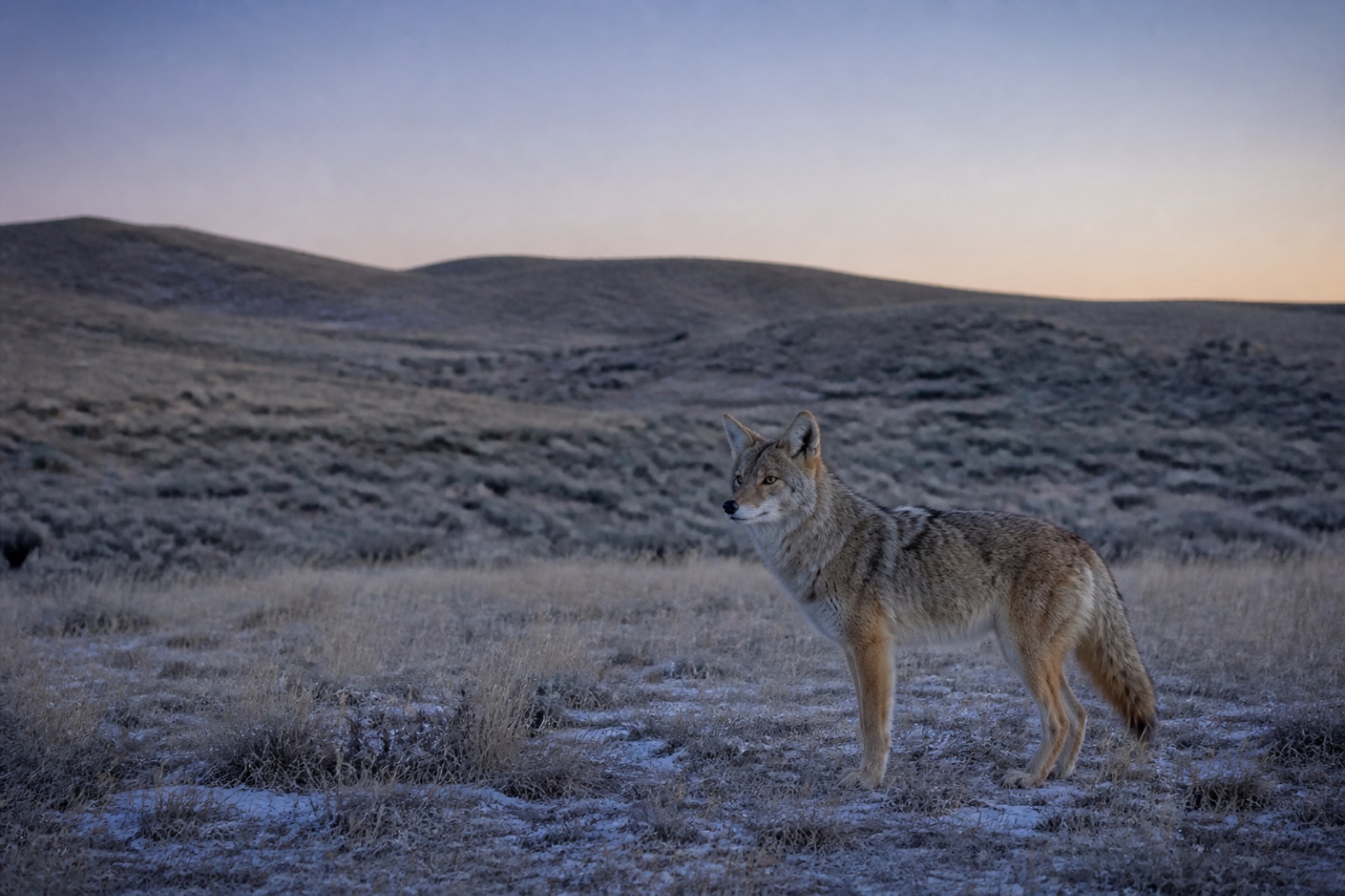
Howls, distress & curiosity
Predator calling strategies built around territorial, social, prey-distress, and curiosity responses.
Original editorial illustrationHow to use this section
Predators often arrive by using cover, terrain, and the downwind side. The sound starts the encounter, but wind planning and a quiet approach usually decide whether the caller ever sees the response.
Field note
Before the first note, identify the most likely downwind route and make sure you can watch it without moving.
Species guides
3 complete guides in this group, each with sounds, meaning, timing, sequences, setup, response, mistakes, and source links.
06 callsPredators
Learn coyote howls, yips, pup distress and prey-distress calls, with seasonal sequences, wind setup, response signs, and calling mistakes.
Open the coyote field guide →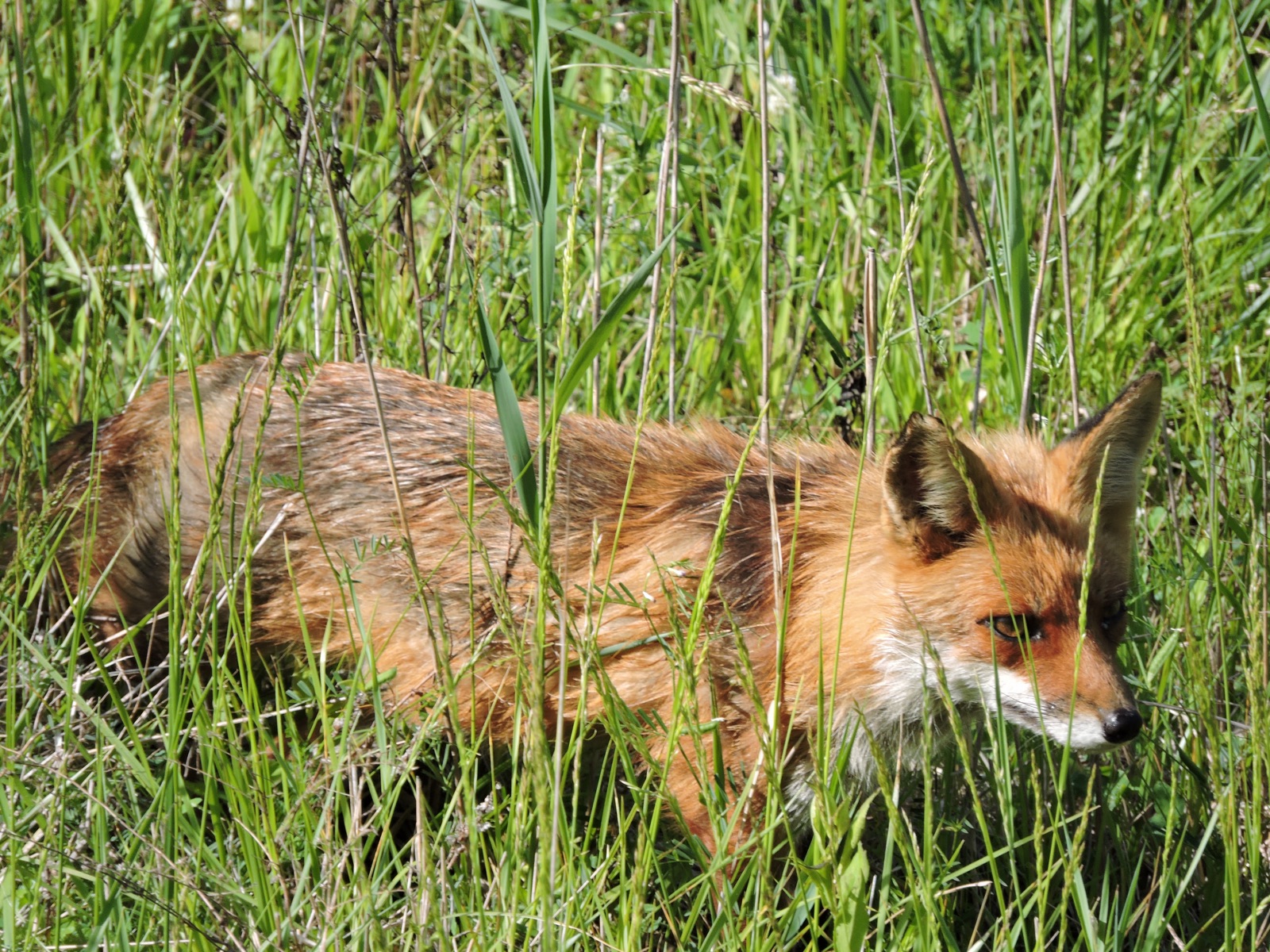 06 calls
Predators
Understand red fox screams, barks, whines, conflict sounds and prey distress, with winter timing, cautious setups, and legal reminders.
Open the red fox field guide →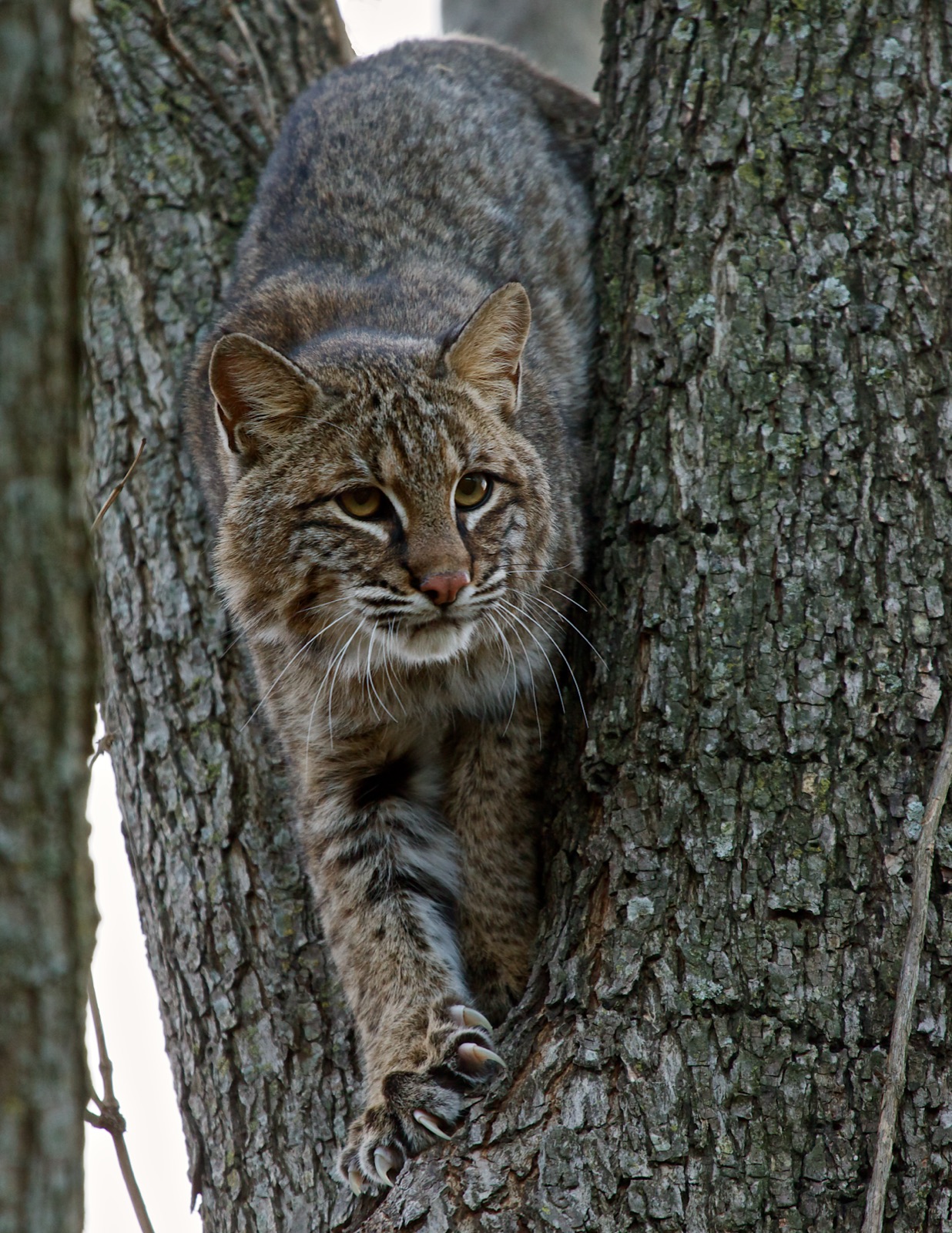 06 calls
Predators
Use bobcat mating sounds and prey distress with realistic expectations, longer pauses, visual cover checks, and species-specific legal care.
Open the bobcat field guide →Build the technique
Move from the complete species reference into comparisons, seasonal choices, equipment, and response-driven field decisions.