Direct answer
What red fox calls mean in the field
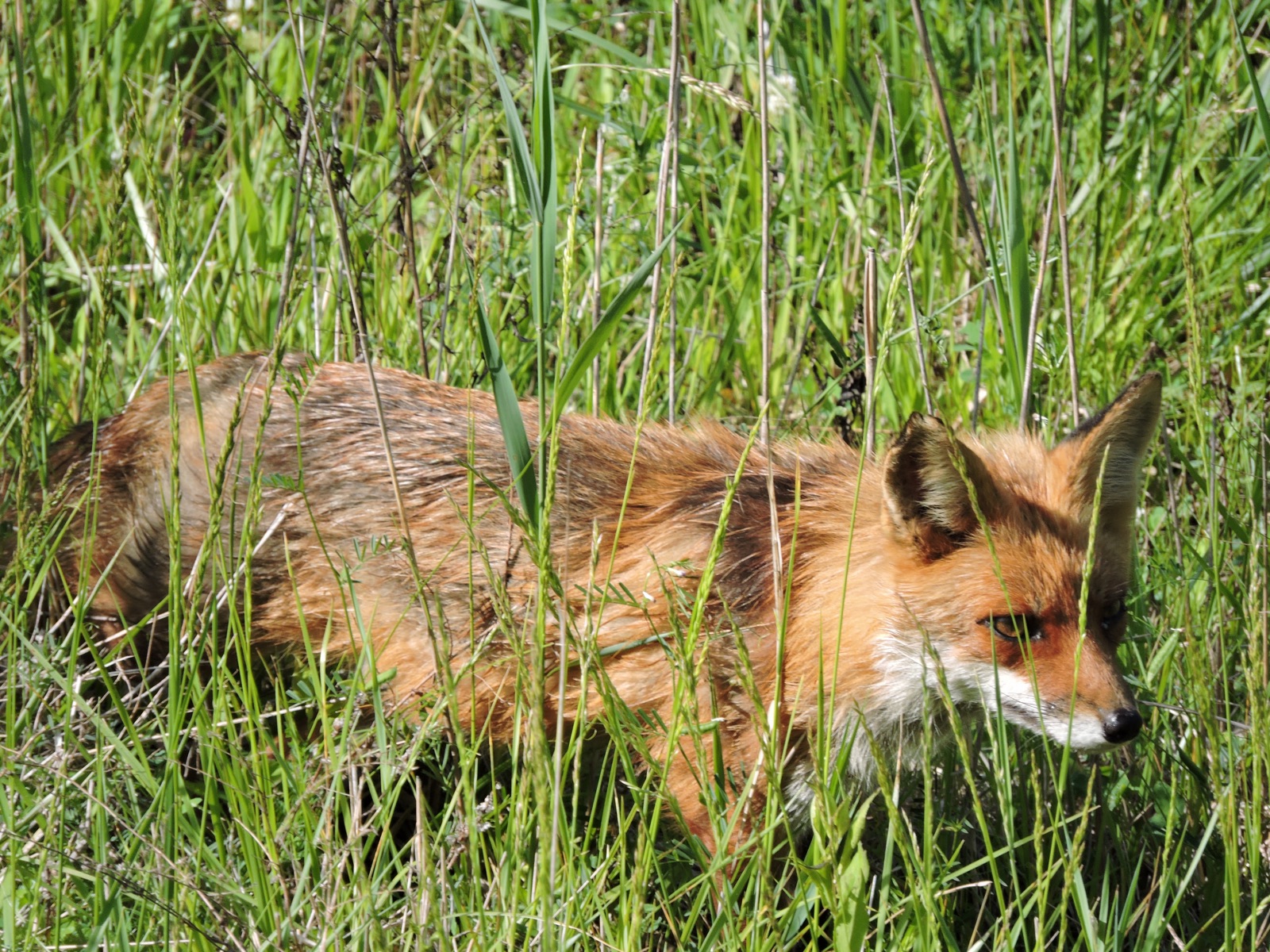
Foxes can appear quickly, but they also pause at brush edges and work the downwind side. Their smaller profile and quiet movement make a clean field of view essential—especially in mixed predator habitat where species, seasons, and legal methods differ.
| Call or cue | What it communicates | Best context | Main risk |
|---|---|---|---|
| Vixen scream | Long-range communication associated strongly with the winter breeding period. | As a seasonal social sound in winter, not as a default loop on every stand. | The sound travels far and can alarm nearby residents, pets, or other hunters. Choose remote, lawful locations. |
| Contact bark | Contact, announcement, or mild alarm depending on tone and context. | In a restrained winter social sequence where local fox sign is confirmed. | A bark heard from a fox may be warning, not invitation. Read posture and movement before matching it. |
| Whine or greeting call | Affiliative or submissive contact between foxes. | As a low-volume finisher after a fox has shown social interest but remains in cover. | Soft social sounds are not long-range locators and should not be blasted across an open field. |
| Gekker or conflict chatter | Close conflict or high social tension. | Sparingly in a believable winter territorial scene, generally after contact is known. | Aggression is an escalation tool, not a guaranteed rescue for an unproductive stand. |
| Rodent, rabbit, or bird distress | A common prey animal appears exposed or injured. | Throughout the legal season, matched to prey and cover actually present at the site. | The same sound may attract coyotes, bobcats, raptors, pets, or other hunters. |
| Alarm bark | Concern and warning. | As a diagnostic sound to understand that a fox may have detected the caller. | Continuing to call after an alarm can educate the animal further. |
Vocabulary & use
Red Fox calls, one by one
Vixen scream
Natural vocalization- Sound
- A sharp, drawn-out scream that can sound startlingly human at night.
- Meaning
- Long-range communication associated strongly with the winter breeding period.
- When it fits
- As a seasonal social sound in winter, not as a default loop on every stand.
- How to make it
- Use one or two projected screams, then leave a long pause. Avoid identical repetition.
- Likely response
- A fox may answer, approach cautiously, or remain silent while investigating.
- Do not miss
- The sound travels far and can alarm nearby residents, pets, or other hunters. Choose remote, lawful locations.
Contact bark
Natural vocalization- Sound
- A short, abrupt bark often repeated with irregular spacing.
- Meaning
- Contact, announcement, or mild alarm depending on tone and context.
- When it fits
- In a restrained winter social sequence where local fox sign is confirmed.
- How to make it
- Keep barks short and separated. Do not turn them into a rapid domestic-dog pattern.
- Likely response
- Another fox may bark back, pause to locate the sound, or avoid an alarmed scene.
- Do not miss
- A bark heard from a fox may be warning, not invitation. Read posture and movement before matching it.
Whine or greeting call
Natural vocalization- Sound
- Soft, high whines and brief close-range notes.
- Meaning
- Affiliative or submissive contact between foxes.
- When it fits
- As a low-volume finisher after a fox has shown social interest but remains in cover.
- How to make it
- Use a variable reed softly for a few seconds, then stop moving and watch the cover edge.
- Likely response
- A fox may step into view, angle downwind, or answer with a quiet note.
- Do not miss
- Soft social sounds are not long-range locators and should not be blasted across an open field.
Gekker or conflict chatter
Natural vocalization- Sound
- Rapid guttural clacks, growls, and stuttering cries.
- Meaning
- Close conflict or high social tension.
- When it fits
- Sparingly in a believable winter territorial scene, generally after contact is known.
- How to make it
- Create a short irregular burst with a coaxer or legal recording, then go silent.
- Likely response
- A territorial fox might investigate; a cautious or subordinate fox may avoid the conflict.
- Do not miss
- Aggression is an escalation tool, not a guaranteed rescue for an unproductive stand.
Rodent, rabbit, or bird distress
Prey or other-species sound- Sound
- Uneven squeaks or cries that rise and fade rather than repeat mechanically.
- Meaning
- A common prey animal appears exposed or injured.
- When it fits
- Throughout the legal season, matched to prey and cover actually present at the site.
- How to make it
- Begin quietly for a close fox, build one level if needed, and leave two to four quiet minutes between short series.
- Likely response
- A fox may appear quickly along a hedgerow, ditch, or brush edge, then swing downwind.
- Do not miss
- The same sound may attract coyotes, bobcats, raptors, pets, or other hunters.
Alarm bark
Natural vocalization- Sound
- Hard, repeated barks from a fox that has detected a threat.
- Meaning
- Concern and warning.
- When it fits
- As a diagnostic sound to understand that a fox may have detected the caller.
- How to make it
- Do not use it as the routine attraction sequence.
- Likely response
- The fox may hold beyond range, expose the stand to other foxes, or leave.
- Do not miss
- Continuing to call after an alarm can educate the animal further.
Seasonal context
When the message is believable
Early season feeding
Favor prey sounds that match mast, grass, marsh, or farm-edge habitat. Keep volume modest in small cover.
Breeding period
Vixen screams, barks, and soft social notes have their strongest biological context. Avoid overplaying aggression.
Late winter pressure
Use less common prey sounds, quieter openings, and longer pauses around foxes that have heard repeated calling.
Field sequences
Two restrained ways to build the conversation
These are decision frameworks, not guaranteed formulas. Shorten, soften, or stop when the animal gives new information.
Sequence 01
Farm-edge food sequence
Fresh fox tracks and rodent sign meet at a hedgerow or brushy drainage.
- Begin with 15 seconds of quiet rodent squeaks and scan the nearest cover.
- After two minutes, add a 20-second rabbit or bird-distress series at medium volume.
- Wait three to five minutes while watching both the direct lane and downwind side.
- Finish with a few soft squeaks rather than a louder new sound.
Stop or change when: A fox appears, a non-target animal enters, or the source area is clearly visible to the responder.
Sequence 02
Winter social check
Winter breeding sign is present and the site is remote enough for a far-carrying social sound.
- Make one vixen scream, wait 45 seconds, then make a second at slightly lower volume.
- Remain silent for at least three minutes and watch cover, not only the open field.
- If a fox barks without moving, answer once with a softer contact bark or whine.
- End the exchange rather than building an endless scream loop.
Stop or change when: The fox begins moving, becomes alarmed, or repeated calling would draw attention to an empty spot.
Before the first note
Field setup
- Keep hedgerows, ditches, brush points, and the downwind edge in view; foxes use linear cover efficiently.
- Start the sound away from homes, livestock, footpaths, and places where a responding pet could enter the setup.
- Sit still longer than the first quick-response window. A fox may inspect from cover before exposing itself.
- Confirm species-specific seasons in mixed red-fox, gray-fox, coyote, and bobcat country before calling.
Read the animal
What the response is telling you
- A fox trotting a cover edge is interested but may still turn downwind before closing.
- A stationary fox looking directly at the source has enough information; soften or stop.
- Repeated hard barks from one place suggest suspicion more than commitment.
- A fast first appearance is possible, so the setup must be ready before the opening squeak.
Common errors
What makes the setup less believable
Using the vixen scream in every season
The sound has strongest breeding context in winter. A prey sound may create a more believable reason at other times.
Ignoring the first fifty yards
Foxes can already be close in dense farm and marsh cover. Starting too loud may turn the nearest animal away.
Treating every bark as a challenge
A bark can express alarm. Matching it aggressively may confirm the animal's concern instead of drawing it closer.
Rules & ethics
Verify before the hunt
Red fox is commonly regulated as a furbearer. Confirm the current season, license, legal weapons, electronic calls, night hunting and lights, public-land restrictions, and any red-versus-gray fox differences. Avoid calling near homes, pets, trails, and livestock.
Hunting-call laws vary by state, species, season, land type, and device. Verify the current wildlife-agency regulations for the exact hunt before using any recorded, amplified, or electronic call.
Electronic-call rules checklist →Questions hunters ask
Red Fox calling FAQ
What is the best red fox call?
There is no universal best sound. Prey distress is versatile when it matches local food; vixen screams and social calls make more sense around winter breeding.
Will a red fox answer before coming in?
Sometimes, but many approaches are silent. Watch brush edges, ditches, and the downwind lane even when no fox vocalizes.
How loud should fox distress calling be?
Begin at a level that reaches the nearest likely cover without shocking a close animal. Increase only when wind, distance, and habitat require it.
Research trail
Sources and further reading
Biology and call context were synthesized into original copy from the following references.