 06 calls
Small Game
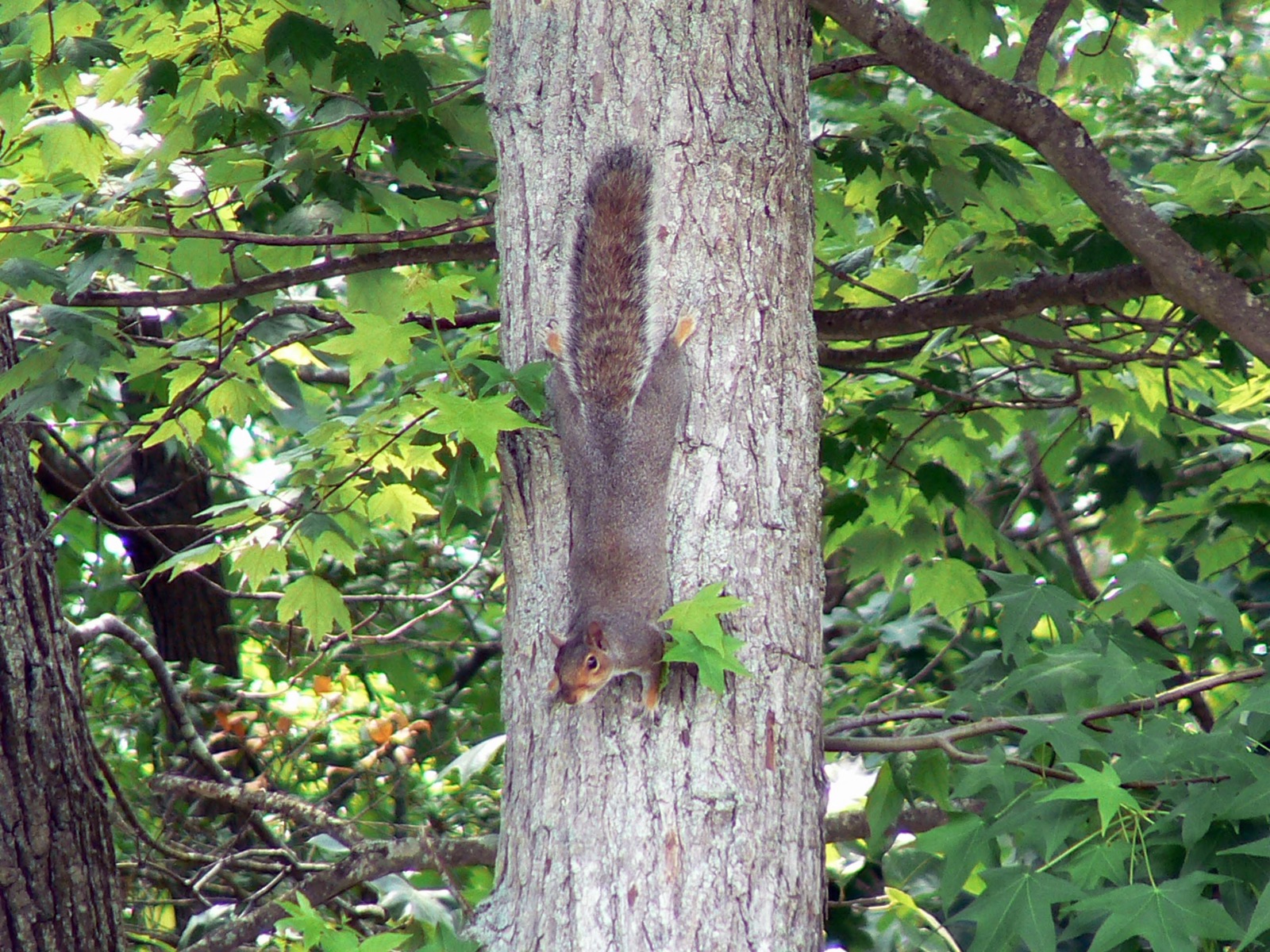
Gray Squirrel calls
Learn gray squirrel kuks, quaas, moans, distress whistles, chatter and gnawing cues for locating squirrels in mast and den-tree cover.
Open the gray squirrel field guide →Barks, chatters, distress & contact
Calling tactics for squirrels, rabbits, raccoons, and other small game, with emphasis on locating and reading reactions.
Public domain wildlife photoHow to use this section
Small-game calls are frequently most useful as locating or reaction tools. A bark may provoke a hidden squirrel to answer; a brief distress sequence may make an animal reveal its position without drawing it all the way to the caller.
Field note
Use reaction calls sparingly. After the sound, scan trunks, den trees, brush edges, and escape cover before calling again.
Species guides
3 complete guides in this group, each with sounds, meaning, timing, sequences, setup, response, mistakes, and source links.
06 callsSmall Game
Learn gray squirrel kuks, quaas, moans, distress whistles, chatter and gnawing cues for locating squirrels in mast and den-tree cover.
Open the gray squirrel field guide →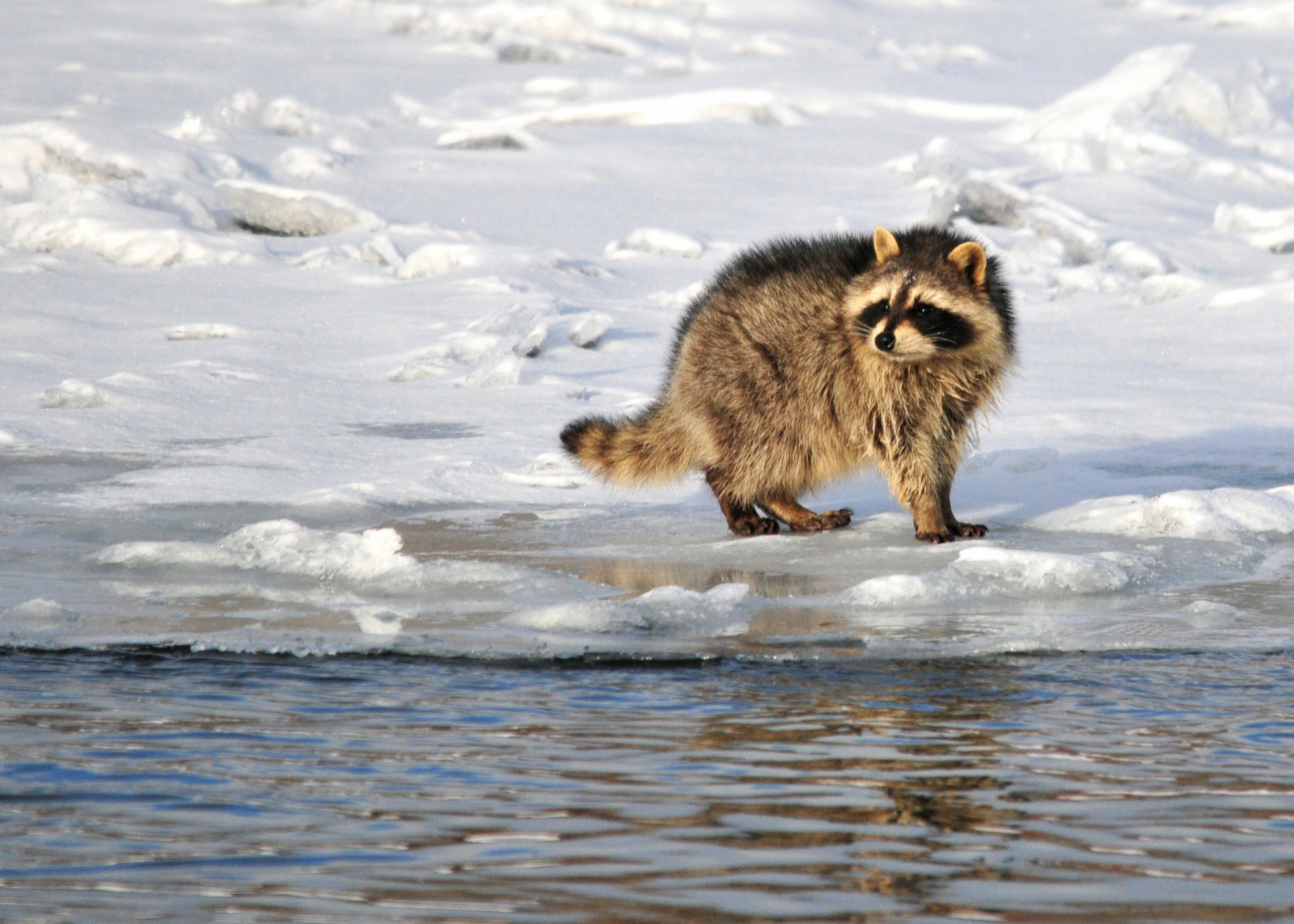 05 calls
Small Game
Learn raccoon distress, chitter, fight, feeding and warning sounds, with den-tree setups, response signs, safe identification, and legal checks.
Open the raccoon field guide →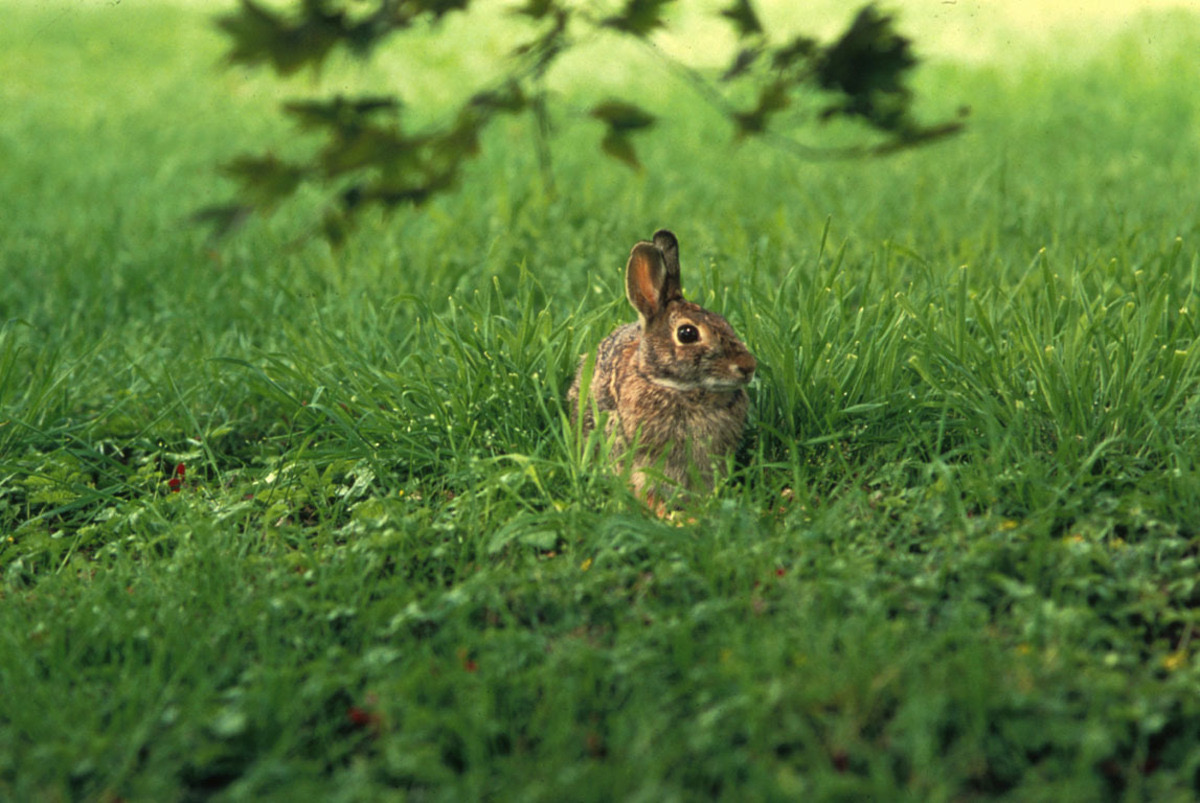 05 calls
Small Game
Understand cottontail distress screams, foot thumps, grunts and kit calls—and why habitat and quiet movement matter more than calling rabbits.
Open the eastern cottontail field guide →Build the technique
Move from the complete species reference into comparisons, seasonal choices, equipment, and response-driven field decisions.