 06 calls
Waterfowl
Mallard calls
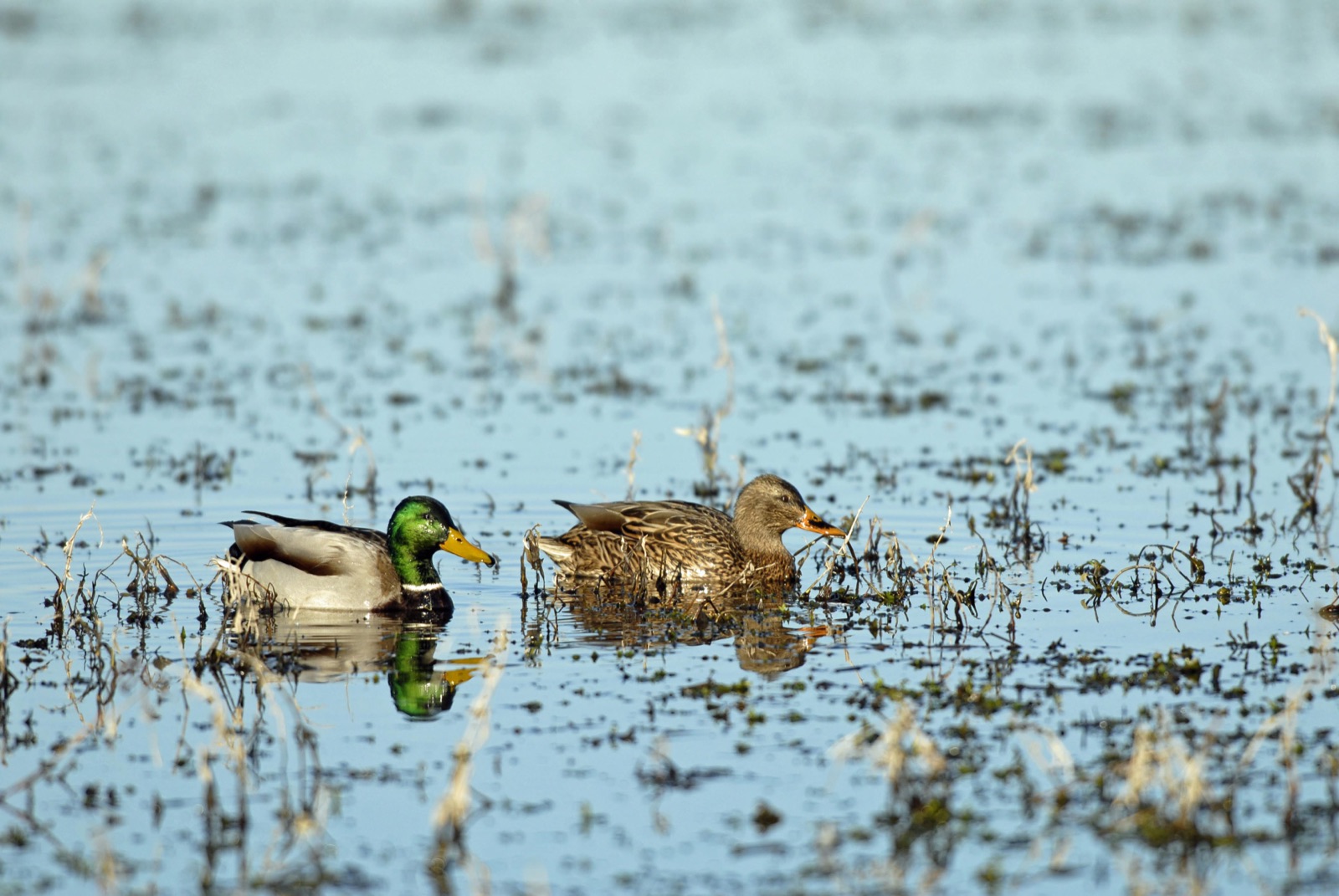
Understand the hen quack, descending series, greeting and comeback routines, feed chatter, and drake rasp without overcalling birds.
Open the mallard field guide →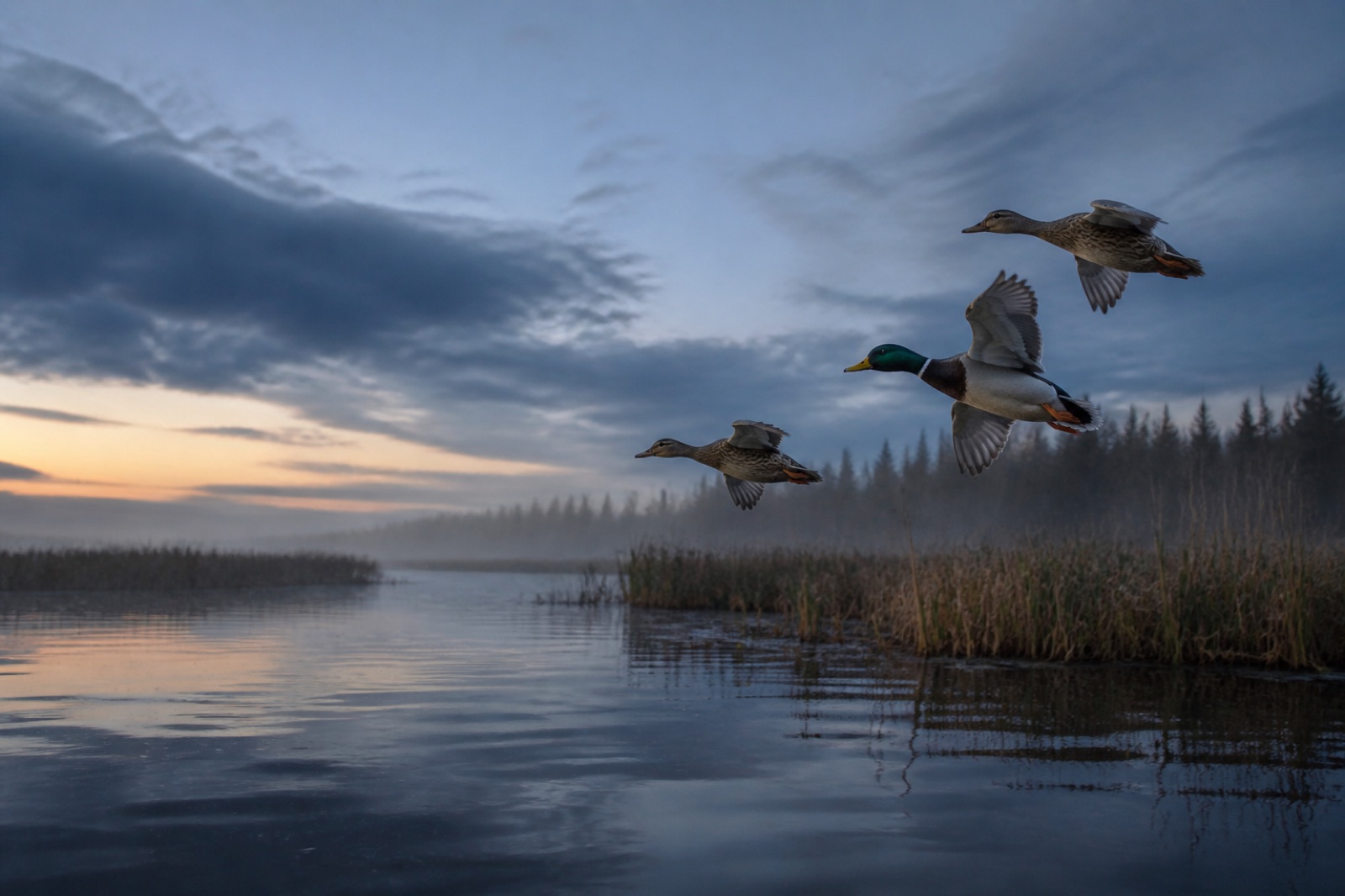
Quacks, clucks, moans & murmurs
Duck and goose vocabulary, cadence, finishing calls, and the body language that tells you when to get quiet.
Original editorial illustrationHow to use this section
Waterfowl calling is a conversation with birds that can see the entire setup. The useful question is not simply which sound to make, but what the flock is doing when that sound is made: passing, turning, searching, losing interest, or committing.
Field note
Watch wingbeats and line of travel. A flock that is already correcting toward the spread often needs less sound, not more.
Species guides
3 complete guides in this group, each with sounds, meaning, timing, sequences, setup, response, mistakes, and source links.
06 callsWaterfowl
Understand the hen quack, descending series, greeting and comeback routines, feed chatter, and drake rasp without overcalling birds.
Open the mallard field guide →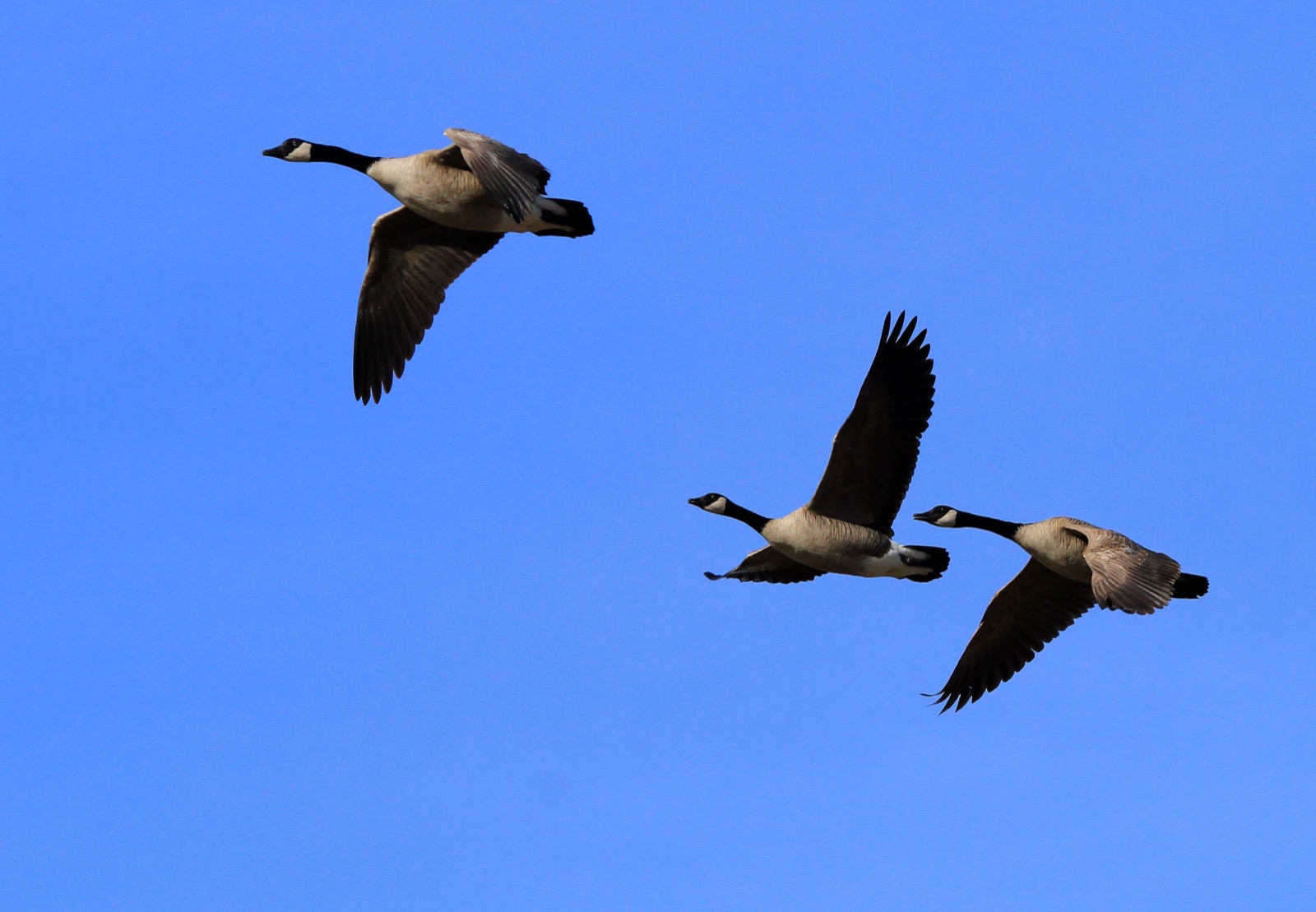 06 calls
Waterfowl
Learn the Canada goose cluck, honk, moan, murmur, excited clucks, and restrained response-based calling routines.
Open the canada goose field guide →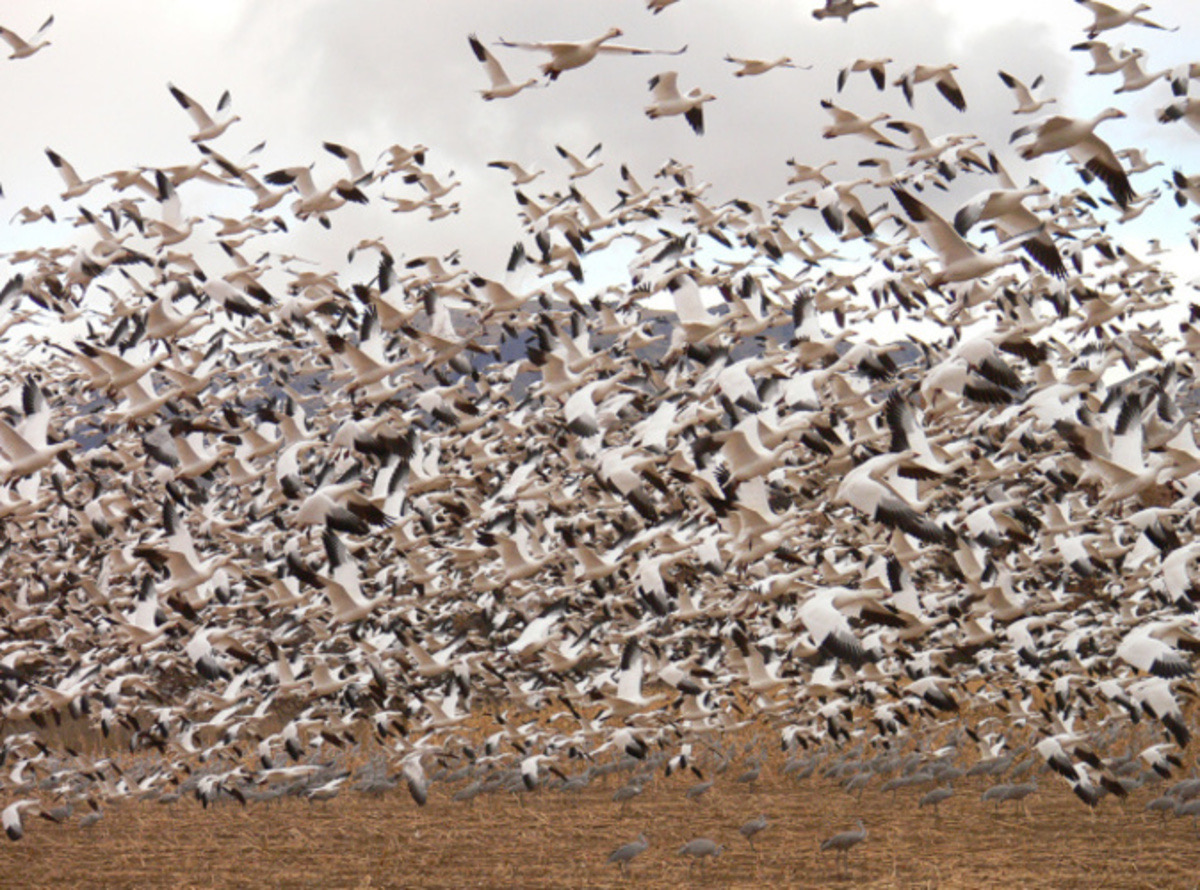 06 calls
Waterfowl
Recognize adult honks, juvenile whistles, family feeding notes, brood calls, alarms, and flight chorus while keeping e-call rules clear.
Open the snow goose field guide →Build the technique
Move from the complete species reference into comparisons, seasonal choices, equipment, and response-driven field decisions.