Calling in wind, rain & cold
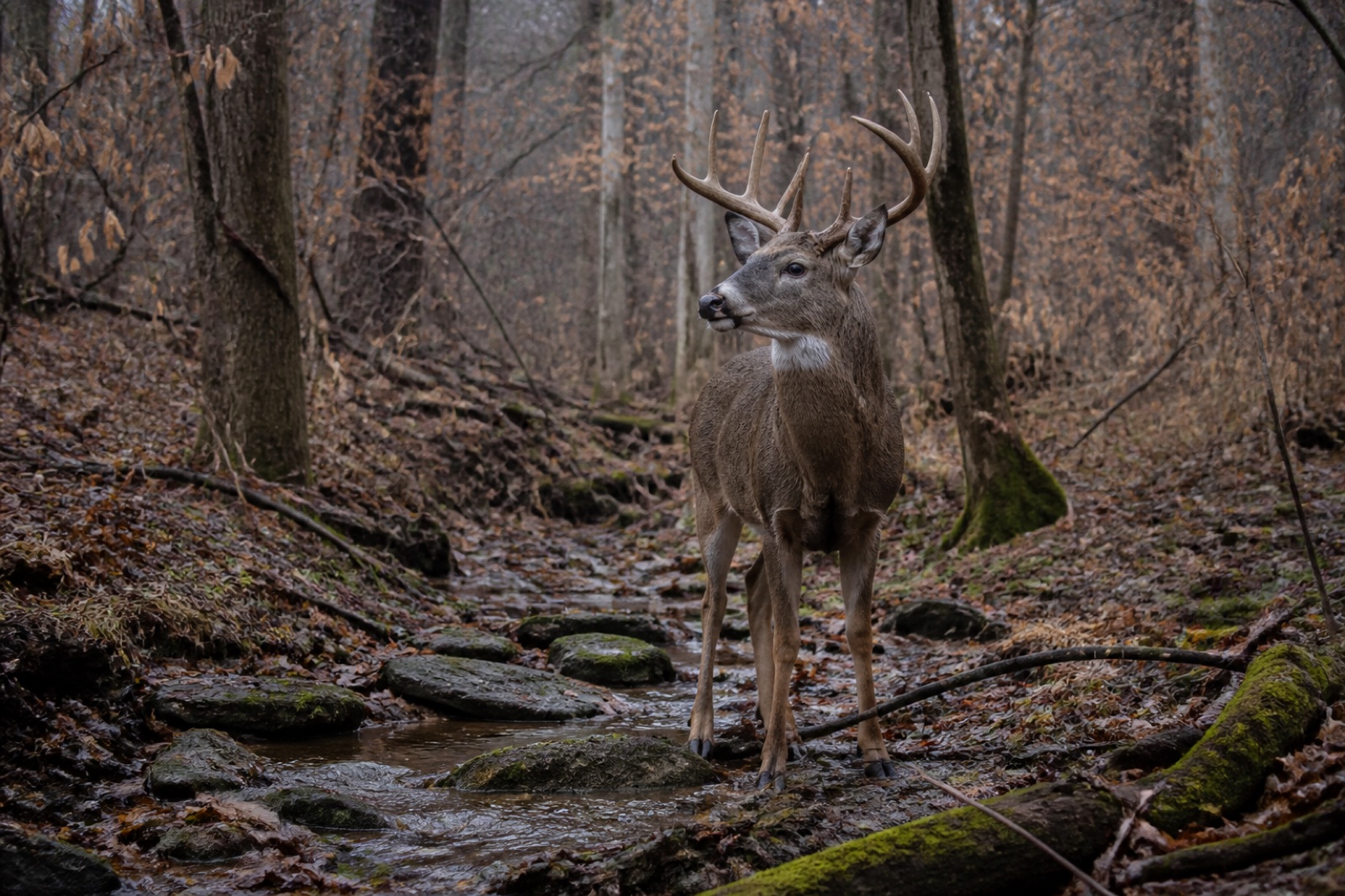
Adjust direction, volume, equipment, waiting time, and approach when weather changes how calls travel and animals move.
Make the sound fit the moment
Adjust hunting-call message, intensity, and setup for rut phases, time of day, wind, rain, cold, animal pressure, and the response already in front of you.
4 connected field guidesThe same note can be believable in one week and out of place in another. Breeding cycles, flock and herd structure, hunting pressure, weather, and daily movement all change which animals are listening and why they might answer.
Rut-phase, time-of-day, and weather guides turn that context into field decisions. They are not calendars or guarantees; local biology and current conditions matter more than a date printed on a generic calling plan.
Focused reading
Start with the question in front of you, then follow the related guide when the field situation changes.
Adjust direction, volume, equipment, waiting time, and approach when weather changes how calls travel and animals move.
Adjust deer grunts, bleats, and rattling through pre-rut, peak breeding, and post-rut while using local sign instead of a generic calendar.
Adapt elk bugles, cow calls, volume, and setup across pre-rut, peak breeding, and post-rut as herd structure and vocal behavior change.
Plan turkey calling from the roost period through midday and afternoon by matching volume, vocabulary, setup, and safety to changing bird behavior.
Species context
Use the species page for natural vocabulary, seasonal timing, response signs, field sequences, legal reminders, and its research trail.